
Reviewed · GABALA TOURS
2-day Shamakhi-Gabala-Shaki Private Tour
The best thing about this two-day trip is its variety. In a short sweep from Baku, you move from a cliffside mausoleum and one of Azerbaijan’s oldest mosques to mountain lakes, a ski resort, Silk Road caravanserais, and a palace filled with colored glass. It is a lot of country in two days, but the route has a clear historical thread.
I like the private vehicle, which saves you from piecing together long taxi rides, and I like the local touches: tea, home-made sweets, and help finding a decent place to eat and sleep. Guide Suleyman has led this route with strong attention to both history and everyday Azerbaijani life. The main drawback is pace. Long drives and several stops leave little spare time, and the overnight accommodation and meals cost extra.
Key points before you book
- Diri Baba sets the tone: A striking tomb built into a rocky setting, with legends that add to its appeal.
- Shamakhi links faith and astronomy: You visit the Juma Mosque and the famous observatory area associated with this ancient city.
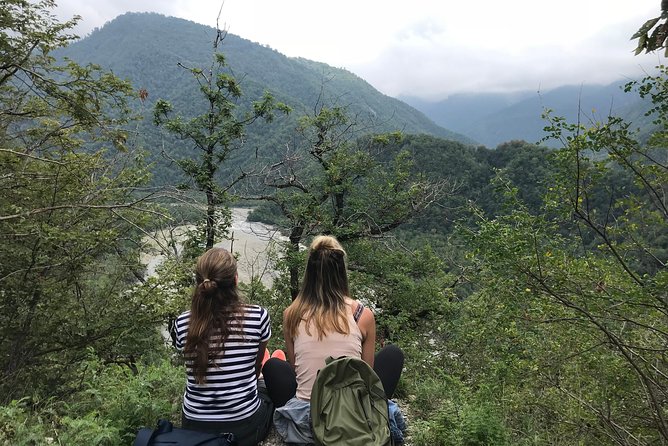
- Gabala brings mountain scenery: Nohur Lake and Tufandag offer a welcome change from monuments and city streets.
- Sheki is the cultural high point: The Khan’s Palace and its shabaka windows are the tour’s most detailed architectural stop.
- The route includes physical activity: The Sheki Fortress visit involves a half-day-style outdoor excursion, uneven ground, and a moderate fitness requirement.
- The price covers transport, not the overnight stay: At $459 per person, value depends heavily on group size and how much you value a private guide.
Why this route works from Baku
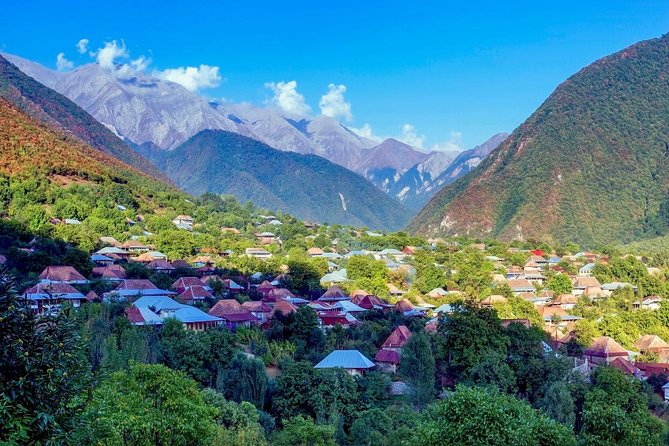
Azerbaijan is easy to underestimate if you stay only in Baku. The capital has grand avenues and modern architecture, but the older stories often sit beyond the city. This trip takes you east and northwest through places tied to worship, scholarship, trade, local rulers, and mountain life.
The route is particularly useful if you have only a few days in the country. Instead of booking separate transfers to Shamakhi, Gabala, and Sheki, you travel in one private vehicle with the same guide. Hotel pickup and drop-off are included, and bottled water, coffee, and tea are provided.
The practical tradeoff is time. This is not a slow village holiday. You start at 8:30 a.m. and spend much of the first day moving between stops. The reward is range: you see several parts of Azerbaijan that would be awkward to connect on your own.
The art historian guide is important here. At each monument, you get more than a photograph and a short sign. Guide Suleyman has been praised for explaining the buildings while also steering the day toward local sweet shops and uncomplicated places to eat. That combination matters in Azerbaijan, where food, tea, and hospitality are part of the cultural experience.
Other Gabala days from Baku:
- Shamakhi And Gabala Tour (All inclusive)
★ 5.0 · 815 reviews - From Baku: Gabala and Shamakhi Tour (Free Baku City Tour)
★ 4.8 · 695 reviews - Gabala + Shamakhi tour (by Old City Tours)
★ 4.5 · 198 reviews
Diri Baba Mausoleum and the road toward Shamakhi
The first stop is Diri Baba Mausoleum in Maraza, about 25 minutes from Baku along the route to Shamakhi. The building is one of the trip’s most memorable sights because of its setting. It is not simply a freestanding tomb in a city square. Its original design, rocky surroundings, and legends give it a sense of mystery without requiring a long visit.
You have about 25 minutes here, and admission is free. That is enough to see the exterior, take in the position of the mausoleum, and hear the main stories from your guide. The short stop also helps keep the long first day moving.
I would pay attention to the relationship between stone and structure. The monument feels shaped by its surroundings, and the unusual placement is part of its appeal. This is a good early stop because it shows you that Azerbaijani history is not confined to formal museums or palace interiors.
Do not expect an extended archaeological visit. The scheduled time is brief, and the tour has several more destinations ahead. If you want to linger at every monument, this itinerary may feel tight.
Shamakhi’s Juma Mosque and the observatory connection
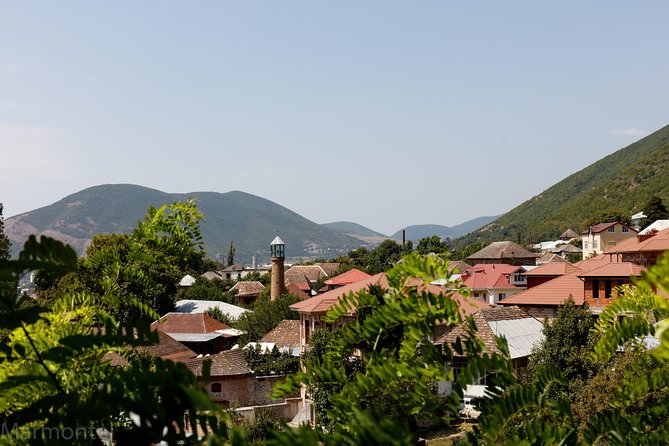
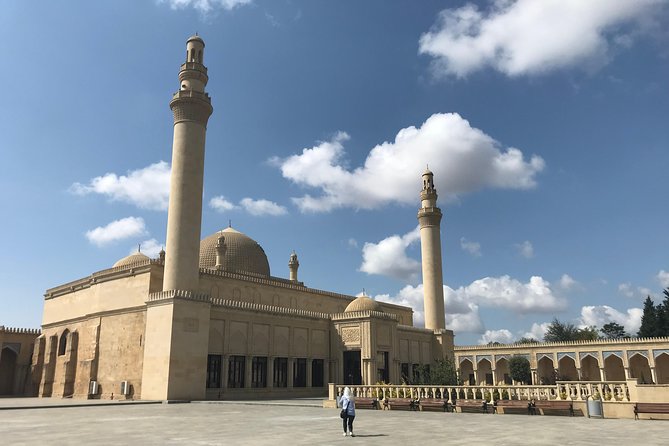
Shamakhi is one of the oldest historical centers on the route. Its Juma Mosque is described as the oldest and largest mosque in Azerbaijan, with origins traditionally linked to the eighth century. An inscription once gave the construction date as 744, placing the building among the early mosques of the South Caucasus.
The mosque’s design is unusual. A large prayer hall is split into three connected sections, with wide open doorways between them. That layout gives the building a different feel from a single open prayer space, and it offers your guide something concrete to explain beyond dates and dynasties.
You spend around 30 minutes here, with no admission charge. The stop is short but worthwhile, especially if you are interested in religious architecture and the way old buildings survive earthquakes, wars, and repeated rebuilding.
The broader Shamakhi area is also linked with astronomy. The tour highlights the famous astronomical observatory associated with this ancient center. The provided schedule specifically lists the Juma Mosque visit rather than a separate observatory admission, so you should clarify with the operator exactly what observatory-related viewing is included on your date.
That small point matters. The description presents Shamakhi as a place of both faith and science, but the detailed stop list gives you 30 minutes at the mosque. Ask before booking if the observatory itself is a must-see for you.
Nohur Lake, a calm pause in Gabala
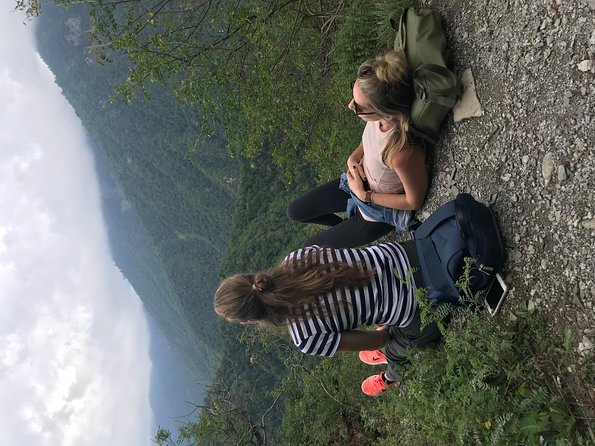
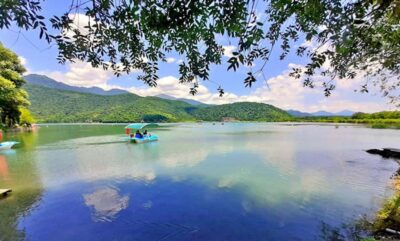
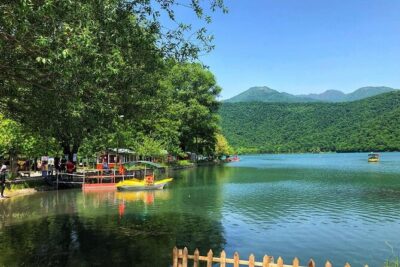
After the older religious sites, the route changes mood at Nohur Lake. This is a manmade lake created after World War II to provide water for nearby villages. Today it is a recreation area framed by trees and the Greater Caucasus Mountains.
You have about 30 minutes here. That is enough for a walk near the water, photographs, and a breath of fresh air. The lake’s green-blue reflection and mountain backdrop make it one of the easiest stops for simply enjoying the setting rather than absorbing a lecture.
This pause is well placed. The first day includes several hours of road travel, so a quiet waterside stop helps break up the monuments and driving. You might find the visit too short if you want a longer walk or a relaxed lakeside meal, but the schedule is designed for a broad tour rather than one extended nature outing.
Because Nohur is manmade, the appeal is not untouched wilderness. Its value lies in the combination of water, trees, mountain views, and easy access from the route.
More Shamakhi trips from Baku:
- Gabala & Shamakhi Nature Tour (Group or Private)
★ 4.5 · 121 reviews - Gabala and Shamakhi Trip (Group or Private)
★ 5.0 · 79 reviews - Gabala & Shamakhi Trip ( Group or Private)
★ 5.0 · 78 reviews - Baku-Gabala-Shamakhi-Tufandag -Nohur lake – Lavender fields
★ 4.7 · 61 reviews
Tufandag Mountain Resort and the cost question
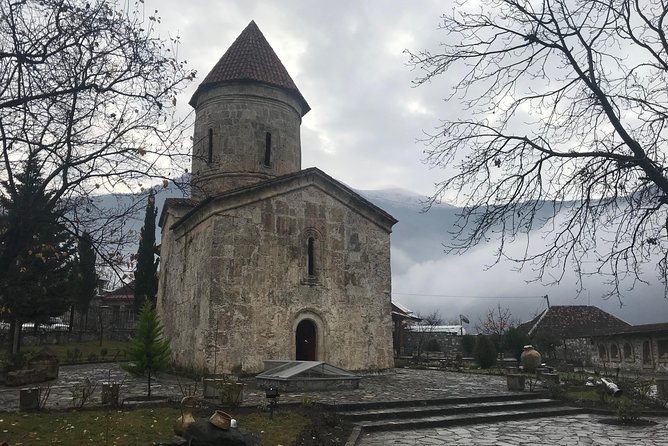
Tufandag is the final scheduled stop on day one, with about an hour and a half at the resort. The mountain reaches 4,191 meters, and the area is known for snow, cloud-covered peaks, and winter sports. The resort opened in January 2014, making it a newer contrast to the medieval and early Islamic sites earlier in the day.
Admission is not included. That is the key practical detail. You may have extra costs depending on which resort activities you choose, so ask about current prices before committing to anything on site.
The stop works best for people who want a mountain setting without arranging a separate trip into the Caucasus. It also adds seasonal variety. Snow and winter conditions can make the resort feel very different from a warm-weather visit, when the focus is more likely to be views and mountain air.
Still, this is not a full ski holiday or a dedicated mountain excursion. The time is limited, and the tour continues toward Sheki. Think of Tufandag as a scenic stop with optional resort activities, not as the main event.
At the end of day one, your accommodation is not included. The operator says it provides full support in finding a decent place to stay, which is useful, but you should confirm the room type, location, and price before departure. Meals are also separate.
Sheki’s Khan’s Palace and its colored glass
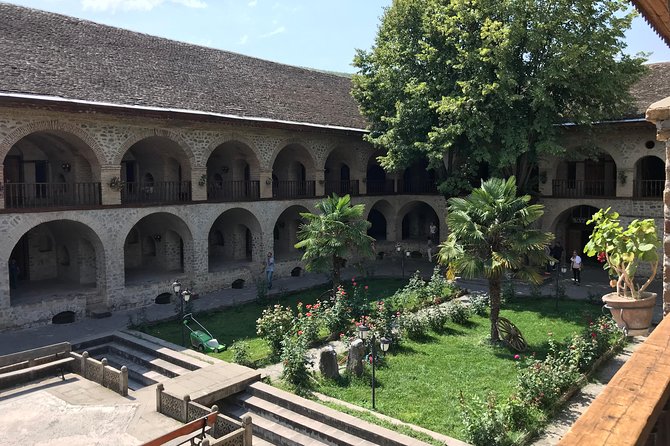
Sheki is the strongest reason to choose this tour over a simple Shamakhi and Gabala day trip. The city was once the center of a khanate, and its most famous building is the Palace of Sheki Khans.
You have about one hour inside and around the palace. The main detail to watch for is shabaka, the intricate colored glasswork set into the windows. These patterns create an interior that changes with the light, and they make the palace more than another royal residence with decorated rooms.
The palace reflects the wealth and craft traditions of a trading city. Its appeal is visual, but the guide’s historical context helps explain why such a small regional court invested so heavily in ornament and skilled workmanship.
Admission is not included, so budget for it. The one-hour visit should give you enough time to appreciate the rooms and hear the main background, though people who love decorative arts may wish for a longer, slower visit.
You should also expect some limits. Palace access and viewing conditions can vary, and the schedule does not promise unlimited time. Keep your attention on the windows, interior details, and the relationship between the palace and Sheki’s role as a regional center.
Caravanserais and the Silk Road in Sheki
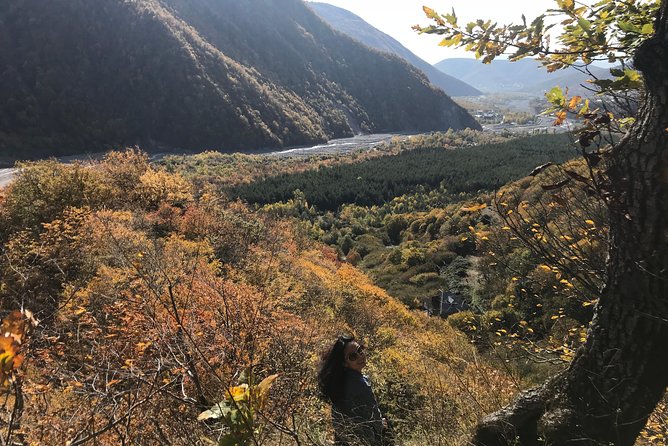
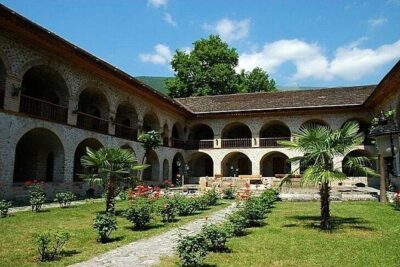
Sheki’s caravanserais give the city a more practical side. These were lodging places for merchants moving along trade routes, not just grand monuments for rulers. Sheki once had five large caravanserais from the eighteenth and nineteenth centuries, and two survive today.
The tour gives you about an hour here, with free admission. That is generous enough to understand the scale of the buildings and picture how trade shaped daily life. You are not simply looking at walls. You are seeing the infrastructure that supported traders, animals, goods, and long-distance commerce.
This stop also balances the palace. The palace shows court life and craftsmanship; the caravanserai shows business, travel, and ordinary movement through the region. Together, they explain why Sheki became important.
I would listen closely to how your guide connects the buildings to the Silk Road. The phrase can become vague when used too broadly, but here the caravanserai gives it a physical meaning. You can see the kind of place where merchants actually stopped.
Tea and sweets at Aliovsat Sweets House
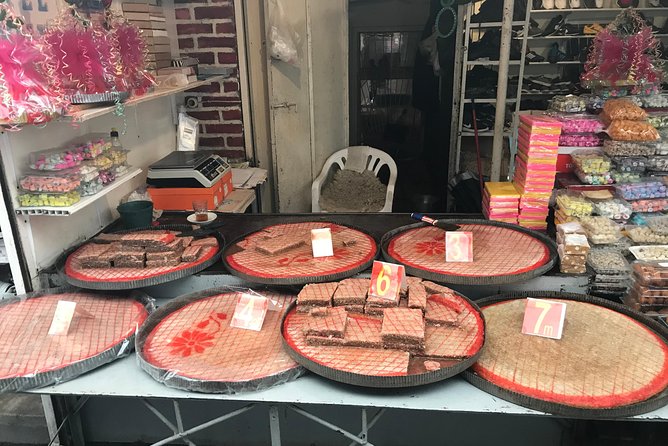
A 30-minute stop at Aliovsat Sweets House brings the route back to daily life. Sweet houses are local places to sit with Azerbaijani tea and sample home-made desserts. Admission is free, though you should expect to pay for anything you order.
This is one of the tour’s most useful cultural touches. A palace tells you about rulers. A sweet house tells you how people pause, host, and share food. Tea is not just a drink here. It is part of the rhythm of a visit.
The stop is brief, so do not treat it as a full meal. It is better viewed as a tasting and rest break. If you have dietary restrictions, ask your guide what is available before ordering, since the tour information does not specify ingredients or choices.
The operator also offers help finding local restaurants for national Azerbaijani food. Since meals are not included, this is a chance to use the guide’s local knowledge rather than choosing at random after a long day.
Sheki Fortress and the physical side of the trip
The final listed stop is Sheki Fortress, a medieval defensive site near the Kish River, about four kilometers from Sheki. The remains sit on Garatepe Mountain, and construction is dated to the eighth or ninth century.
You have around an hour and a half here. The setting gives the visit a more active feel than the palace or mosque. You are likely to encounter uneven ground and an uphill approach, so wear firm shoes and bring water, even though bottled water is supplied.
The physical warning is important. This visit is not recommended for people with back problems, pregnancy, heart problems, or other serious medical conditions. The tour asks for moderate physical fitness, and you should take that seriously rather than treating the fortress as a quick roadside stop.
The setting is part of the reward. From a defensive position above the river, you get a sense of why the site mattered. But the fortress is not the right place to test your limits. If walking on uneven ground is difficult, ask the operator how much of the stop can be adjusted.
What $459 per person really covers
The price is $459 per person. That sounds high until you look at what is bundled: private transport, hotel pickup and drop-off, a professional art historian guide, bottled water, coffee, and tea.
The largest value comes from the private vehicle. This route covers several destinations across Azerbaijan, and arranging each transfer separately could take time and add taxi costs. A private group also avoids sharing the schedule with strangers.
The price does not include your overnight accommodation, meals, or admission at Tufandag and the Palace of Sheki Khans. The operator helps locate accommodation and local restaurants, but you still pay those costs yourself.
For a couple or small private group that wants a guide and door-to-door transport, the price can make sense. If you are traveling alone and trying to keep expenses low, it may feel expensive. Ask how the per-person price changes with your group size, since the experience is private.
The tour averages bookings about 14 days ahead. That is a useful planning clue, especially if you need a particular overnight hotel or are visiting during a busy season. Free cancellation is available up to 24 hours before the start time. Changes or cancellations inside that window are not refundable.
Who will enjoy this trip most
I would choose this tour if you want a fast introduction to Azerbaijan beyond Baku and prefer a guide-led route over public transport. It suits people who enjoy religious buildings, royal residences, trade history, mountain scenery, and a moderate outdoor visit in one package.
It is also a good choice if you want local help with food and lodging. The sweet-house stop and the guide’s restaurant suggestions add a human scale to what could otherwise be a string of monuments.
I would hesitate if you dislike early starts, long road journeys, or fixed schedules. The route covers a lot, but you cannot give every place the time it deserves. I would also think twice if the fortress walk is physically unsuitable for you.
FAQ
What is included in the tour price?
Private vehicle transport, hotel pickup and drop-off, a professional art historian guide, bottled water, coffee, and tea are included.
Is overnight accommodation included?
No. Accommodation is not included, but the operator provides support in finding a suitable place to stay.
Are meals included?
No. Meals are separate. The operator says it can take you to local restaurants for Azerbaijani food.
What time does the tour start?
The stated start time is 8:30 a.m.
Is the tour private?
Yes. Only your group participates in the private activity.
Are admission tickets included?
Admission is free at Diri Baba Mausoleum, Juma Mosque, Nohur Lake, Aliovsat Sweets House, the caravanserai, and Sheki Fortress. Admission is not included at Tufandag Mountain Resort or the Palace of Sheki Khans.
Is the tour suitable for all fitness levels?
No. A moderate fitness level is required. The Sheki Fortress visit is not recommended for people with back problems, pregnancy, heart problems, or other serious medical conditions.
Can I cancel for a full refund?
Yes, if you cancel at least 24 hours before the experience begins. Cancellations or changes made less than 24 hours before the start time are not accepted for a refund.
Should you book the Shamakhi, Gabala, and Sheki tour?
Book it if your priority is coverage, convenience, and cultural context. In two days, you see a mausoleum, an early mosque, a mountain lake, a modern resort, a khan’s palace, caravanserais, a tea house, and a fortress. That is a strong return for a short stay.
The best version of this trip is for someone who values a private guide and wants help with the practical parts of regional travel. Guide Suleyman’s mix of historical explanation, local sweets, and simple food stops is exactly the sort of added context that can turn a rushed route into a meaningful one.
Before paying, confirm the overnight hotel, expected admission costs, the details of the observatory connection, and the physical demands of the fortress stop. If those points fit your plans, this is a useful, well-packed way to see the Azerbaijan that lies beyond Baku.
More 2-Day Experiences in Baku
- Gabala-Sheki Tour 2 Days, 1 Night (All Inclusive)
★ 5.0 · 88 reviews - 2 days 1 Night Shamakhi – Gabala – Lahij – Sheki Tour ( Northern Route)
★ 4.5 · 18 reviews - Shahdag Majesty of the Caucasus Unforgettable 2 Day in Azerbaijan
★ 5.0 · 16 reviews - Shamakhi-Gabala-Sheki Group Tour (2 Days / 1 Night)
★ 5.0 · 16 reviews
Just added in Baku
- Wine Tour Baku★ 5.0 · 4 reviews
- Tour to the North part of Azerbaijan Forests and Mountatin Quba★ 5.0 · 10 reviews
- Traditional Azerbaijani Cuisine Workshop★ 5.0 · 5 reviews
- Baku Sightseing Tour★ 5.0 · 12 reviews
- The Magnificent Baku Night Tour★ 5.0 · 3 reviews
- Full Day KHINALUG and the Candy Mountains Tour★ 5.0 · 15 reviews
- SHEKI – ancient and beautiful Land ( All Inclusive Tour )★ 4.5 · 10 reviews
- Small-Group Day Trip to Gobustan, Mud Volcanoes, Ateshgah & Yanar Dagh★ 4.5 · 3 reviews
Gabala Tours, compared.
Guided Day Trip to Gabala with Hotel Pickup & Drop-off
Read our review →
Gabala & Shamakhi Nature Tour (Group or Private)
Read our review →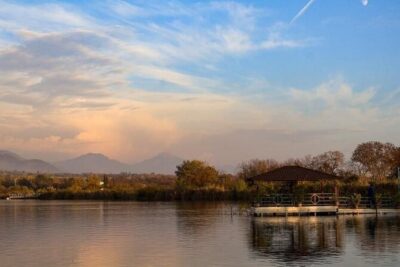
Gabala & Samakhi Tour/ All Entrance Fees Included Tour
Read our review →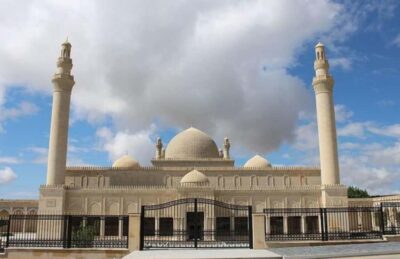
Browse the lists this tour appears in