
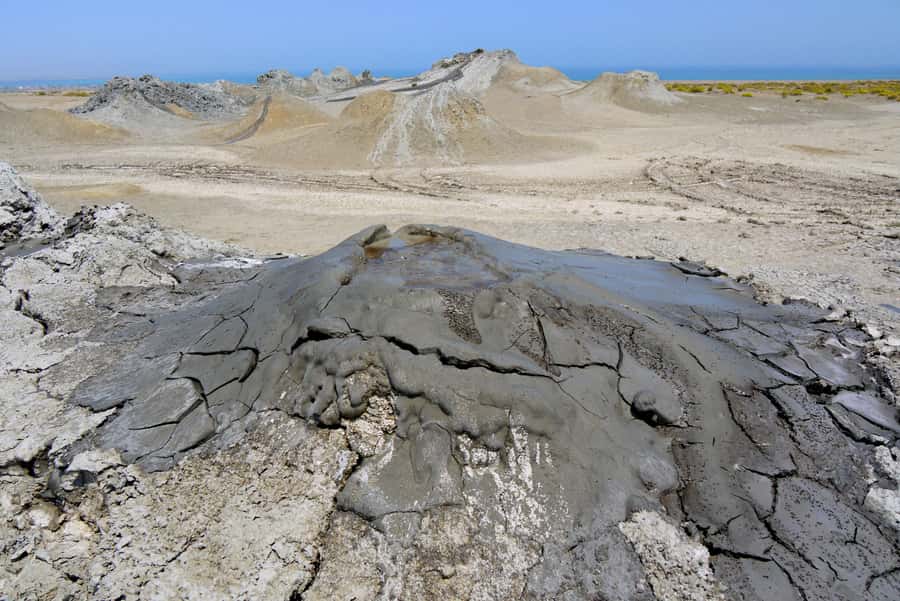
Reviewed · GOBUSTAN AND MUD VOLCANO TOURS
From Baku: Gobustan Day Tour
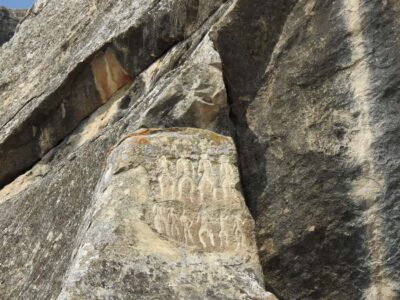
Gobustan’s ancient rock art gives this short trip real weight. Across the ravines south of Baku, more than 6,000 carvings show hunters, dancers, boats, workers, harvesters, and family life from the Mesolithic period through the first century AD. You are not just looking at old stones. You are reading a rough record of how people lived.
I like the mix of archaeology and geology here. The 3D Bio Museum helps explain the site before you walk among the carvings, while the Dashgil mud volcanoes provide a strange, bubbling finale. The main drawback is that four hours is a tight schedule, entrance fees are extra, and poor weather can delay the volcano visit.
- Rock art spanning about 20,000 years: Compare early hunting and ritual scenes with later images of warfare, farming, and daily work.
- A useful 3D Bio Museum stop: Twelve exhibition rooms and a 3D cinema give context before you reach the open-air site.
- A Roman clue near Baku: Look for the Latin inscription at Mount Boyuk-dash, linked to Roman legions in the area.
- One of the world’s largest mud volcano concentrations: Azerbaijan has about 350 of the roughly 800 mud volcanoes found worldwide.
- Private transport from your hotel: You travel by comfortable sedan with an English-speaking guide and included water.
- A short, focused outing: The four-hour schedule suits a spare morning or afternoon, but it leaves little room for lingering.
Why Gobustan Deserves a Place on Your Baku Schedule
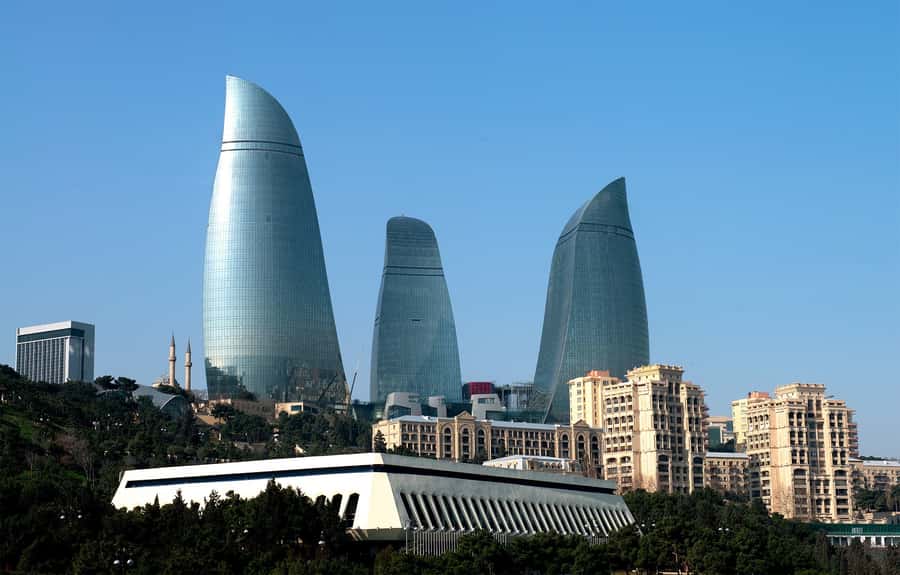
Baku can feel polished, modern, and urban. Gobustan gives you the other side of Azerbaijan: bare rock, wind, ravines, ancient marks, and mud bubbling from the earth. The drive takes you roughly 50 to 60 kilometers from the city, far enough to make the capital feel distant without consuming a full day.
I like this outing because it joins two very different subjects. The petroglyphs tell you about human life, while the volcanoes show the force beneath the ground. You can spend the first part thinking about hunters and sailors, then end by watching grey mud push up through small volcanic cones.
The tour lasts about four hours, so think of it as a half-day excursion rather than a full day of slow archaeology. That short format is useful if you also want time for Baku’s Old City, museums, or the waterfront. It also means your guide must keep the visit moving.
Hotel Pickup and the Drive South
Pickup is available from hotels and apartments in Baku. You are asked to wait in the lobby ten minutes before the scheduled time, and the driver carries a sign with your last name. The stated waiting period after pickup time is five minutes, so this is not the moment to arrive casually with coffee in hand.
Transport is by private, comfortable sedan, with water provided. The car is air-conditioned, an especially useful detail during Baku’s warmer months. A private group also gives you more room to ask questions than a large coach outing.
The vehicle is described as a sedan, not a bus or a large four-wheel-drive vehicle. If you are carrying luggage, leave it at your accommodation because large bags are not allowed on the tour. Comfortable shoes matter more than stylish ones once you reach the uneven rock paths.
Other petroglyph and mud volcano runs from Baku:
- Baku: Gobustan, Mud Volcano, Fire Mount, Temple Lunch Entry
★ 4.9 · 3,246 reviews - BEST Gobustan, Volcanoes & Absheron Fire Tour (Group or Private)
★ 5.0 · 1,254 reviews - Gobustan and Absheron tour (All inclusive)
★ 5.0 · 1,014 reviews
Starting With the Gobustan 3D Bio Museum
The museum is a smart first stop. Gobustan is easier to understand when you know what the carvings represent, and the 3D Bio Museum provides that background before you head into the open-air area.
Its permanent exhibition occupies twelve rooms. Displays cover Gobustan and similar archaeological sites around the world, while a 3D cinema presents the subject in a more visual way. This part of the visit is particularly helpful if you do not already know the difference between a petroglyph, a rock shelter, and a later inscription.
Do not treat the museum as a substitute for the rocks. It is there to give you a framework. Once you stand in front of the carvings, you can connect the display material with actual scenes cut into the stone.
The museum also helps explain why Gobustan is not simply a collection of attractive markings. Archaeologists have found ancient dwellings and more than 100,000 artifacts in the wider area. The site was first discovered in the 1930s and excavation continues, so the story is still developing.
Reading 20,000 Years of Rock Art
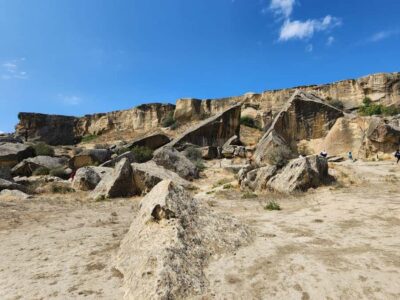
The open-air museum is the heart of the tour. Gobustan takes its name from an Azerbaijani word linked to narrows and ravines, and the setting makes that clear. Craggy rock faces break into fissures and narrow passages, creating natural spaces where people lived, worked, and left signs of their lives.
The oldest drawings date back about 20,000 years. Early images include mountain goats, hunting scenes, and ritual dancing with spears. They are simple in form, but they offer a direct look at what mattered to people living in this area long before written records.
Later images, dating as late as the first century AD, show a wider range of activity. You may see battle scenes, group labor, harvesting, and women by the hearth. The change is important: the rocks record more than one moment in time. They show how the life of the area changed over thousands of years.
One detail I find especially interesting is the presence of boats with oarsmen. These images suggest that the people who lived here were sailors, not only hunters and herders. That changes your picture of prehistoric Gobustan. The area was not an isolated world of people hiding among rocks. It had links to water and movement.
Your guide can help you distinguish the periods and explain why certain images matter. Guides Habil and Shbil are specifically praised for clear explanations of Azerbaijani history and culture, while Karim is noted for being helpful and good company. Guide quality matters here because many carvings are weathered, and an informed eye helps you notice what you might otherwise walk past.
Finding the Roman Inscription at Mount Boyuk-dash
Near the foot of Mount Boyuk-dash, a Latin inscription records the presence of Roman legions near Baku. It is a small detail compared with the thousands of prehistoric carvings, but it widens the story of Gobustan.
The inscription shows that the area continued to matter long after the earliest artists had gone. You are looking at evidence from very different eras in one place: Mesolithic scenes, later prehistoric images, and a Roman military trace.
Ask your guide to point out where the Roman evidence fits into the larger site. Without context, it can be easy to focus only on the most dramatic drawings. This stop rewards patience more than quick photography.
Same base, a different sort of day:
- Baku: Guba, Shahdag, Laza & Lunch w/ Free City & Night Tour
★ 4.8 · 1,455 reviews - Shamakhi And Gabala Tour (All inclusive)
★ 5.0 · 815 reviews - From Baku: Gabala and Shamakhi Tour (Free Baku City Tour)
★ 4.8 · 695 reviews - Baku: Candy Cane, Guba, Khinaliq village with Homemade Lunch
★ 4.9 · 519 reviews
The Dashgil Mud Volcanoes
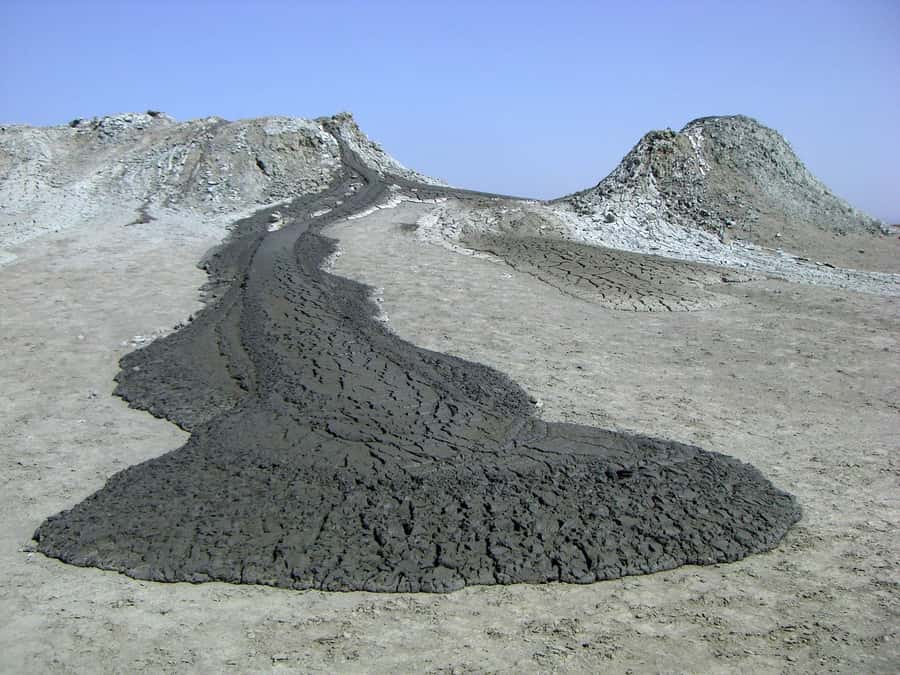
After the rock museum and archaeological material, the tour heads toward the mud volcanoes in the Dashgil Group, east of the Gobustan museum. Azerbaijan has approximately 350 of the world’s roughly 800 mud volcanoes, giving the country an unusually high concentration of these formations.
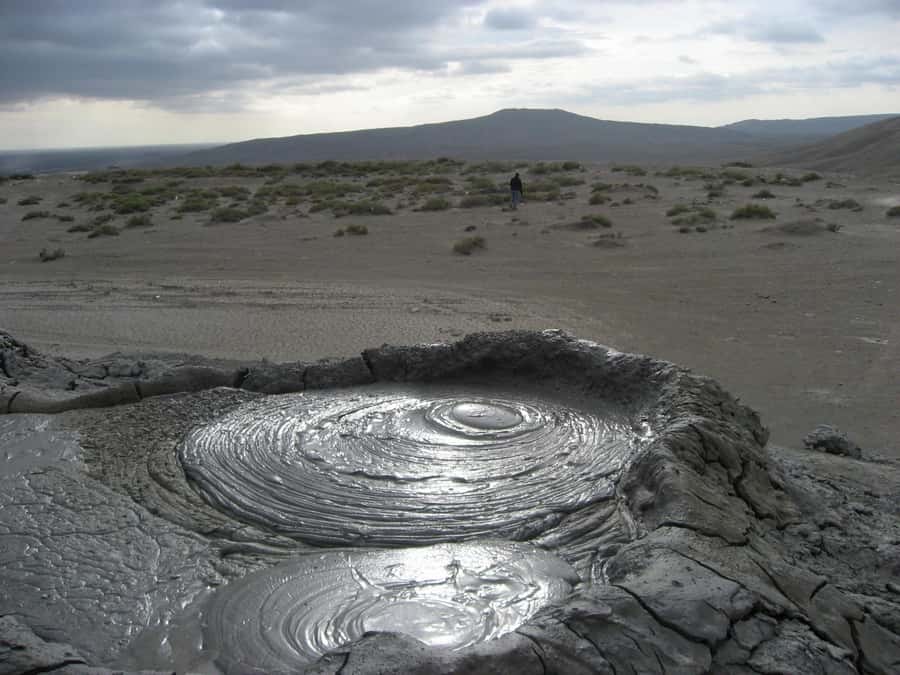
Mud volcanoes are not the same as hot lava volcanoes. Here, mud and gases push upward through the ground, forming low cones and pools. The activity can be gentle and bubbling, but the exact condition of the site can vary.
This is the tour’s most unusual visual change. You move from marks made by human hands to formations made by pressure beneath the earth. The mud can look stark and otherworldly, but do not assume every cone will be equally active on the day you visit.
Weather also matters. In poor conditions, the mud volcano portion can be delayed. The tour operates in rain or shine, so bring footwear that can handle rough or muddy ground and do not build a tightly timed afternoon plan around your return to Baku.
One past visitor had a guide arrange a mud bath experience at the volcanoes. Treat that as an exceptional arrangement, not a standard inclusion. The advertised tour includes transport, guiding, and water, but not food, personal expenses, or entrance fees. If a mud bath interests you, ask before booking what can actually be arranged and at what cost.
What the Four-Hour Schedule Really Means
Four hours is enough to see the main parts of Gobustan, but it is not enough for an unhurried study of every carving and museum display. The route works best when you want a strong introduction rather than a specialist archaeological visit.
The schedule usually has three main blocks:
- The drive from Baku and hotel pickup
- The 3D Bio Museum and open-air rock museum
- The Dashgil mud volcano area before returning to Baku
The exact time at each stop is not specified, and the volcano visit may shift with weather. You should also allow for pickup timing across Baku, since hotel locations can affect the start and return.
I would book this as a morning or afternoon anchor, not as a narrow connection before a flight or train. The tour is listed as four hours, but road conditions and weather can affect the actual return time.
Price, Inclusions, and Extra Costs
At $58 per person, the tour offers good value if you want private transport and a guide rather than arranging the trip yourself. Hotel pickup and drop-off, an English-speaking guide, a private sedan, and water are included.
Entrance fees are not included. Food and personal expenses are also extra. Since the tour is only about four hours, food is not the central issue, but you should not expect a meal stop to be part of the experience.
The private format is the main value point. You are not paying only to be driven out of Baku. You are paying for a guide who can explain the rock art, put the Roman inscription into context, and adjust the pace of a small private group.
The price also makes more sense for two or more people sharing a booking. Solo visitors should compare it with other Gobustan options, especially if they care more about the lowest possible price than privacy and direct pickup.
The Guides and the Human Side of the Trip
The strongest pattern in the feedback is the guiding. Habil is repeatedly singled out for his explanations of history and culture, his helpful manner, and his generous hosting. Shbil is also described as friendly and clear, while Karim made a particular impression through his energy and willingness to help.
That matters because Gobustan is not self-explanatory. You can see lines in stone without knowing which are older, what a scene may show, or why the boat images are important. A good guide turns scattered marks into a readable story.
The tone also seems relaxed. One particularly memorable outing included plenty of laughter and a mud-covered participant who became known as the Qobustan mud monster. You should not expect every tour to unfold that way, but it suggests that the experience can be friendly rather than stiff and lecture-like.
Who Should Book This Gobustan Tour
This outing suits you if you want:
- A short trip outside Baku
- Ancient archaeology without committing a full day
- A private group and hotel pickup
- An English-speaking guide
- Both cultural and geological sights
- A comfortable, air-conditioned car
- A flexible booking that can be cancelled up to 24 hours ahead for a full refund
It is less suitable if you need wheelchair access, have serious back or heart problems, or are pregnant. The activity is also not recommended for people with those conditions, and uneven outdoor ground may make the site uncomfortable.
You should bring comfortable shoes and avoid large bags. The tour runs in rain or shine, though bad weather can delay the mud volcano portion. If your main goal is a long, quiet archaeological study, a longer private arrangement may suit you better.
Should You Book It?
Book this Gobustan tour if you want the essential sights in a compact format and value private transport, a personal guide, and hotel pickup. The combination of 20,000-year-old petroglyphs and active mud volcanoes is unusual, and the 3D museum gives useful context before you walk among the rocks.
Think twice if you dislike fixed schedules, need guaranteed weather conditions, or want entrance fees included in the headline price. For most visitors with limited time in Baku, though, this is a practical and worthwhile half-day trip. Ask for a guide such as Habil, Shbil, or Karim if available, wear sturdy shoes, and leave room in your schedule for the mud volcano stop to run late.
FAQ
How long does the Gobustan tour take?
The stated duration is four hours. Pickup and drop-off take place in Baku, and the schedule covers the 3D Bio Museum, open-air rock museum, and mud volcanoes.
Is hotel pickup included?
Yes. Pickup and drop-off are available from hotels and apartments in Baku. You should wait in the lobby ten minutes before the scheduled pickup time.
What language is the tour conducted in?
The live tour guide is listed as English-speaking.
Are entrance fees included in the price?
No. Entrance fees are not included. Food and personal expenses are also excluded.
What should I bring?
Bring comfortable shoes. Large bags and luggage are not allowed on the tour.
Can the mud volcano visit be delayed?
Yes. The tour operates in rain or shine, but the mud volcano portion may be delayed during bad weather.
Just added in Baku
- From Baku: Guba-Khinalig Day Trip★ 5.0 · 12 reviews
- From Baku: Gobustan 4×4 Private Tour – Private★ 5.0 · 3 reviews
- From Baku: Gobustan Rock Art and Mud Volcanoes Tour★ 5.0 · 6 reviews
- From Baku: Gobustan Guided Day Trip with Transfers★ 3.9 · 11 reviews
- From Baku: Gabala Day Trip★ 4.0 · 11 reviews
- From Baku: Shamakhi and Gabala scenic tour★ 5.0 · 4 reviews
- From Baku: Gabala Cable Car, Nohur Lake & Juma Mosque Trip★ 4.5 · 6 reviews
- From Baku: Candy Mountains and Shahdag Tour★ 3.7 · 5 reviews
Gobustan and Mud Volcano Tours, compared.
Gobustan, Mud Volcano, Fire Mount, Temple Lunch Entry
Read our review →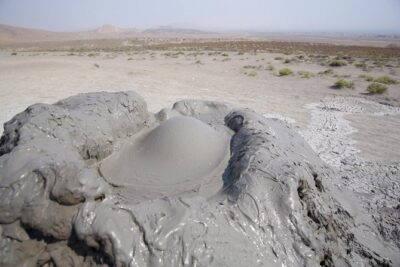
BEST Gobustan, Volcanoes & Absheron Fire Tour (Group or Private)
Read our review →
Gobustan, Volcanoes, Fire Temple and Yanardag Day Trip
Read our review →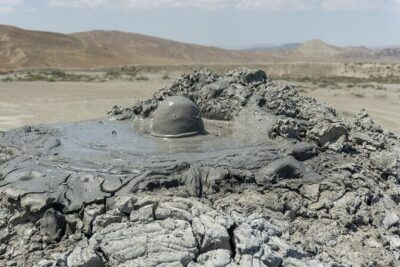
Gobustan & Mud, Fire Temple, Burning Mountain (Group & Private)
Read our review →
Mud Volcan-Fire Temple and Mountain Tour/Entrance inc
Read our review →
Gobustan Mud Volcanoes Temple & Entry tickets included
Read our review →Browse the lists this tour appears in