
Reviewed · GOBUSTAN AND MUD VOLCANO TOURS
Baku: Gobustan & Absheron Trip
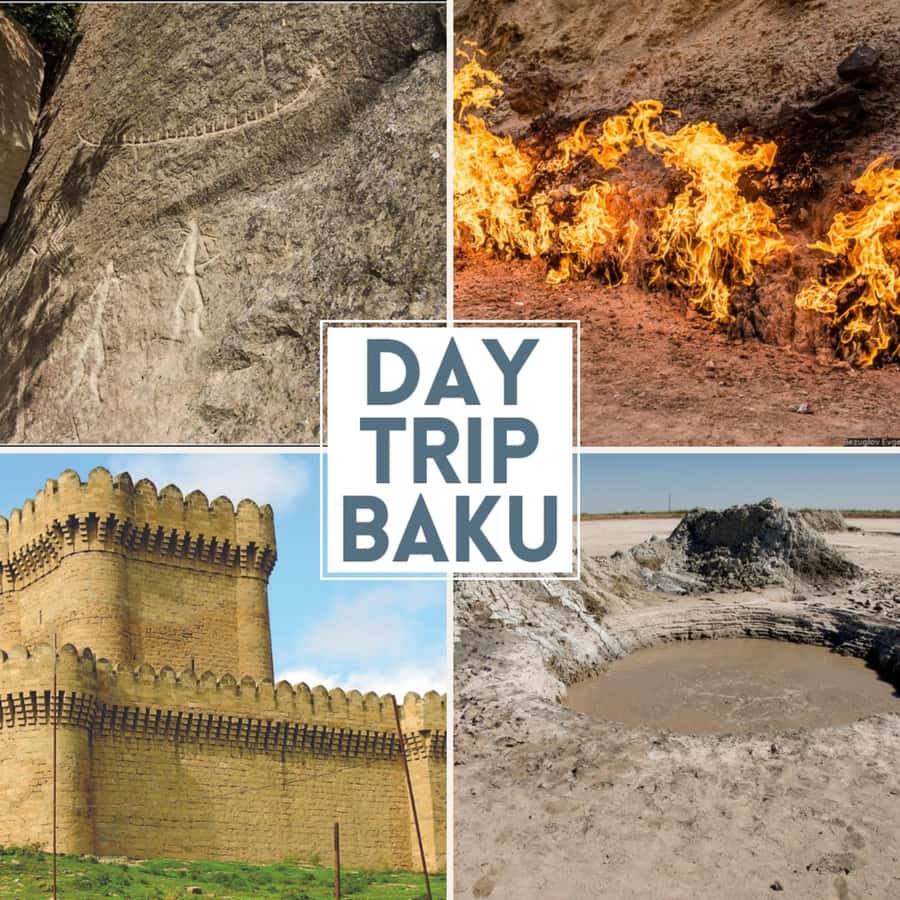
Azerbaijan’s strangest sights arrive in one long day here: prehistoric rock art, bubbling mud volcanoes, and natural flames on the Absheron Peninsula. You move from the world of early hunters to fire-worshipping temples, with Baku’s religious and medieval landmarks in between.
I like the strong mix of culture and geology, and I like that hotel pickup, transport, and a live guide are included for $30. Guides such as Sabuhi have been praised for being engaging and well informed. The catch is pace: one poor experience reported a 75-minute bus delay, rushed museum visits, and lunch as late as 3:30 p.m., so this is best for people who can handle a packed schedule.
Key points at a glance
- 800 mud volcanoes worldwide, with about 354 in Azerbaijan, making this one of the most unusual stops near Baku.
- Qobustan’s UNESCO-protected reserve offers ancient rock pictures, caves, and clues to prehistoric daily life.
- Ateshgah Fire Temple and Yanardag explain why fire became sacred on the Absheron Peninsula.
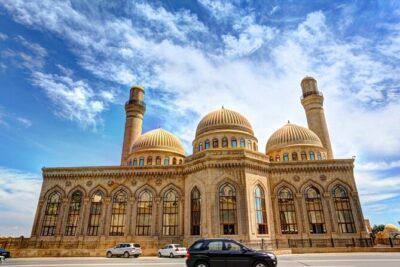
- Bibiheybat Mosque adds an important Islamic and local religious stop near the start of the day.
- The $30 price is attractive, but you should budget extra for entrance tickets and lunch.
- The schedule is packed, with some stops lasting only 20 to 25 minutes.
Why this day trip makes sense from Baku
Baku can feel modern, polished, and oil-rich. This day takes you beyond that surface and shows the older forces that shaped the area: stone, fire, gas, mud, and faith.
You cover a lot of ground in nine hours. The route links Bibiheybat Mosque, Qobustan, the mud volcanoes, Yanardag, a medieval castle area on the Absheron Peninsula, and Ateshgah Fire Temple. That range is the main reason to choose a guided day instead of trying to connect every stop yourself.
The price is a good starting point. At $30 per person, you receive hotel pickup within the stated Baku area, a professional guide, and transport. But the day is not all-inclusive. Add 10 AZN for the Qobustan Museum, 15 AZN for the Mud Volcanoes Tourism Complex, and 15 AZN for the Fire Temple and Burning Mountain. Lunch is also yours to pay for.
So the real cost is higher than the headline figure, but still reasonable for a nine-hour outing if the transport runs smoothly. I would carry a card and some local currency, along with water and a snack. The schedule allows one hour for lunch, but the timing can run late.
Other petroglyph and mud volcano runs from Baku:
- Baku: Gobustan, Mud Volcano, Fire Mount, Temple Lunch Entry
★ 4.9 · 3,246 reviews - BEST Gobustan, Volcanoes & Absheron Fire Tour (Group or Private)
★ 5.0 · 1,254 reviews - Gobustan and Absheron tour (All inclusive)
★ 5.0 · 1,014 reviews
Bibiheybat Mosque begins the religious story
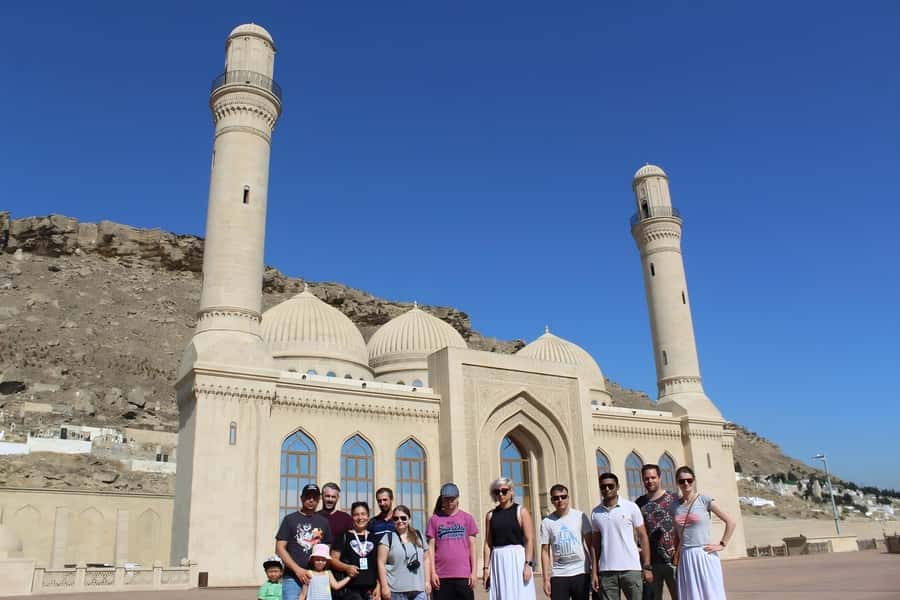
The first stop is Bibiheybat, only about ten minutes from the pickup area. You get around 20 minutes for a visit, guided explanation, and photographs.
This is not just a quick architectural stop. The mosque is connected with the tombs of relatives of the Prophet Muhammad, making it an important place for local religious life. It gives the day a useful opening: before you hear about ancient fire worship, you see how Islam remains part of Azerbaijan’s sacred geography.
Because the stop is short, modest clothing is sensible. Bring a headscarf if you need one. The tour information also lists a flashlight among the items to bring, though it does not explain exactly where you will need it. Comfortable shoes matter more than anything else, since the day includes walking on uneven ground.
Qobustan puts prehistoric life under your feet
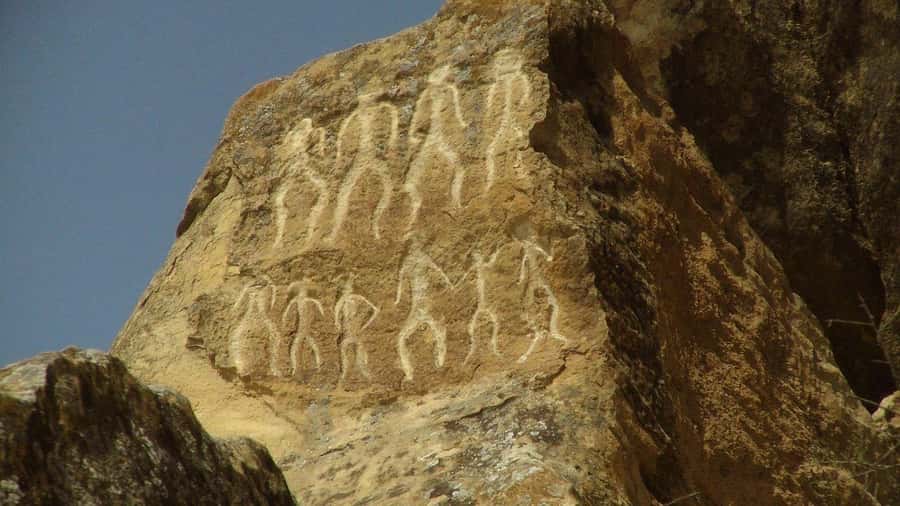
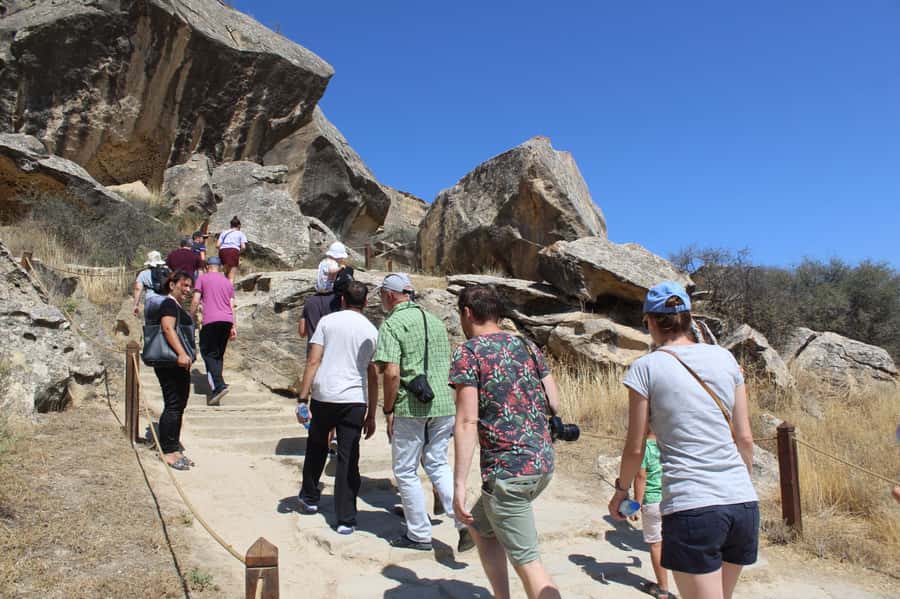
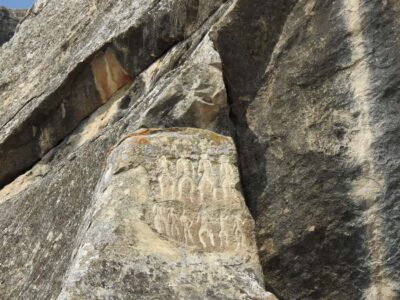
After roughly 50 minutes by coach, you reach Qobustan. The reserve is one of Azerbaijan’s UNESCO-protected places, added in 2007, and it is the cultural heart of the trip.
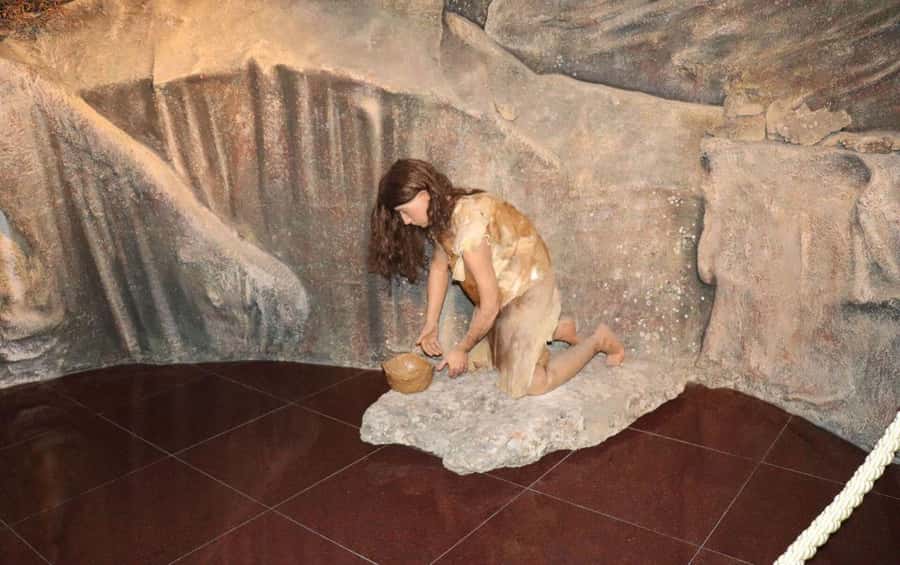
Here you walk among caves and rock surfaces marked with ancient pictures. These drawings offer a direct look at how early people represented animals, hunting, movement, and daily life. The visit also includes information about primitive cooking and shelter, helping you picture more than just a set of old carvings.
You have about 80 minutes for the guided visit, walking, views, photographs, and free time. That sounds generous beside some later stops, but it still goes quickly. If you like reading every display and studying each image, stay close to the guide and use your free minutes carefully.
The Qobustan Museum costs 10 AZN separately. I recommend paying for it if you want the clearest explanation of the reserve. The outdoor rock art gives you the setting, while the museum helps connect the pictures to early human life.
This is one place where the guide can make a large difference. A good explanation turns scattered markings into a story about survival, ritual, and movement. Several people rated the guides highly for giving useful information, and Sabuhi was specifically praised for keeping the day entertaining and engaging.
Mud volcanoes bring the geology to life
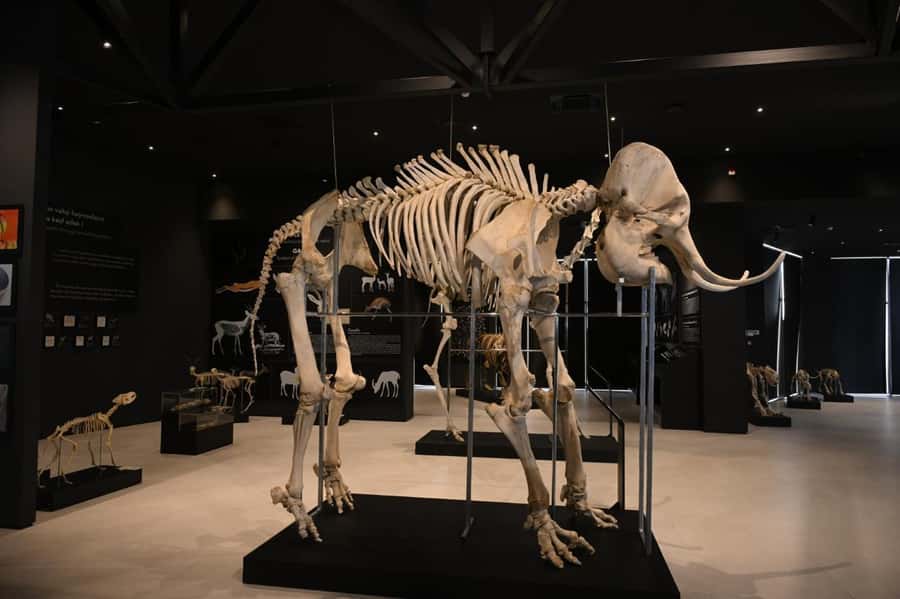
A vintage car ride of about 20 minutes takes you onward to the mud volcano area. Azerbaijan has around 354 of the world’s roughly 800 mud volcanoes, or about 40 percent of the total. That figure alone explains why this odd stop belongs on the route.
Do not expect a mountain of red-hot lava. Mud volcanoes produce cool or relatively cool mud, gases, and small eruptions. The result can look quiet one moment and strangely active the next. The attraction is the raw earthiness of it, with gray mud, open ground, and the feeling that the land is still shifting below you.
The stop itself is listed as about 20 minutes, with time for photographs and free exploration. That is short. You will want to watch your footing, take your pictures, and listen when the guide explains what you are seeing.
The Mud Volcanoes Tourism Complex has a 15 AZN entrance fee. The same part of the day also includes two museums, one focused on natural history and one on minerals, with interactive demonstrations. If those museums are important to you, ask your guide how much time is available before you enter. A rushed visit can make an interesting collection feel like a corridor you simply pass through.
The tour description notes that the mud is considered useful for skin, joints, and bones. Treat that as local wellness context, not as medical advice. The experience here is mainly geological and visual.
Other peninsula days out of Baku:
- Baku: Gobustan Absheron Tour Entry Tickets included
★ 4.9 · 329 reviews - Baku: Gobustan-Absheron Tour with Hotel PICK UP and DROP OFF
★ 4.8 · 170 reviews - Baku: Gobustan/Absheron guided tour with lunch and tickets
★ 4.8 · 158 reviews - Gobustan and Absheron peninsula ( Group or Private ) TOUR ( All inclusive )
★ 5.0 · 130 reviews
Lunch is the day’s biggest timing question
The coach then travels for about 80 minutes to a local restaurant, where you have one hour for a break. Lunch is not included, and you choose from the restaurant or fast-food menu at your own cost.
This is where you should manage your expectations. The schedule can push lunch well into the afternoon. One especially unhappy account described eating at about 3:30 p.m. and waiting more than an hour for food. That may not happen every day, but it is a useful warning.
Eat breakfast before pickup, even if the start is early. Pack a small snack, and do not assume the lunch hour will begin at noon. The long coach sections also make water useful.
Yanardag shows why fire became sacred
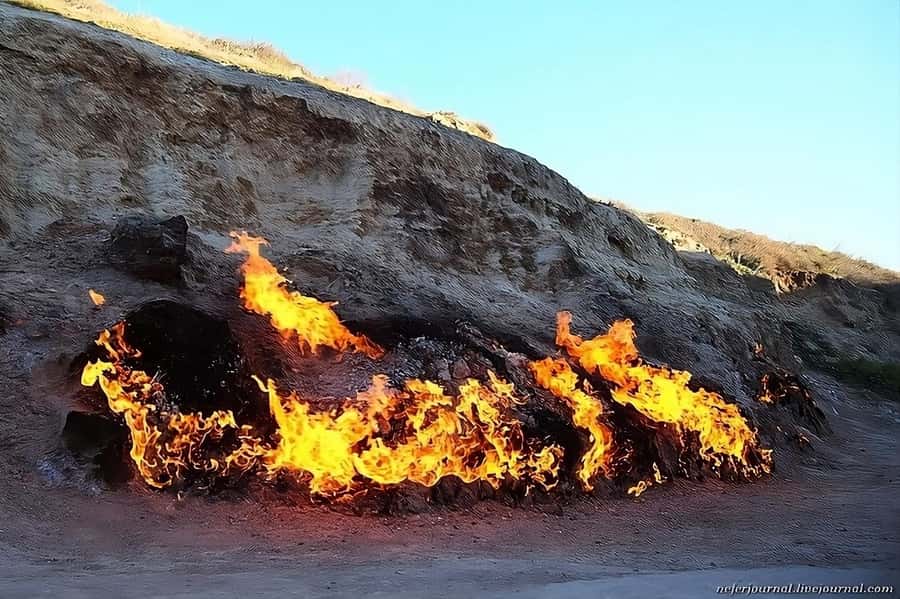
After lunch, you drive about 30 minutes to Yanardag, or Fire Mountain. The visit lasts around 25 minutes and includes a walk, photographs, and a guide’s explanation.
Natural gas escaping through the ground keeps flames burning at this site. The sight helps explain why fire held such power on the Absheron Peninsula. Long before Islam, fire worship shaped religious life here, and the tradition still echoes through Novruz, now celebrated as a national holiday.
Yanardag is not a huge attraction in physical size, so the short stop can work if you arrive on time. The point is the phenomenon and the story behind it, not a long hike or a full afternoon in nature.
The fire may be the most immediately memorable sight of the day. It is simple, strange, and hard to explain until you see it: flames coming straight from the ground. Bring your camera, but keep the visit focused because the next stop follows after about 30 minutes on the coach.
The Absheron stop adds a medieval fortress
The next visit takes place on the Absheron Peninsula and lasts about 20 minutes. The description presents it as a castle that has kept its original strength from medieval times.
This short stop gives the route another layer. Qobustan represents early human settlement, Yanardag represents natural fire, and the castle shows the peninsula as a defended place during the medieval period.
You have time for a guided visit, a walk, photographs, and views. Do not expect a long castle tour. The stop is better understood as a compact look at the area’s defensive past, fitted between the fire sites.
Ateshgah connects three fire traditions
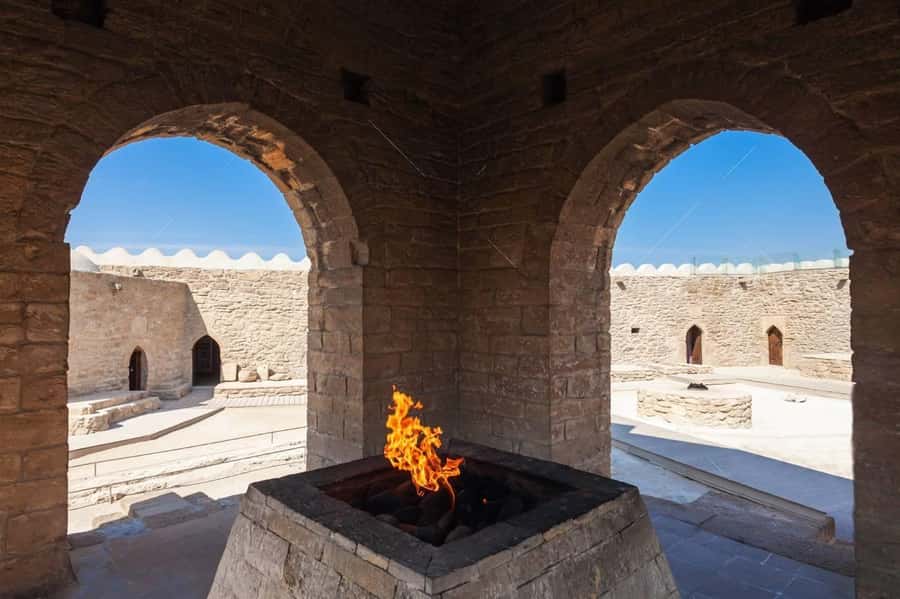
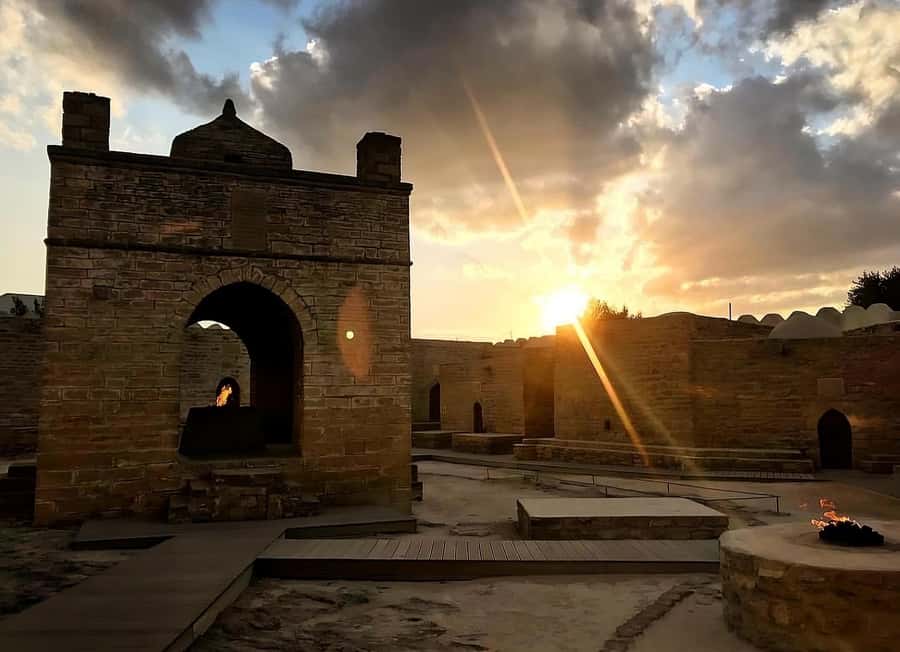
The final major visit is Ateshgah of Baku, reached after about ten minutes. You have around 50 minutes here, making it one of the more substantial stops.
Ateshgah is described as a meeting point of fire worship, Zoroastrianism, and Hindu traditions. The important question is not simply who worshipped fire, but what these beliefs shared: reverence for flame, purity, ritual, and the idea that fire could connect the human world with something sacred.
The temple makes more sense after Yanardag. At the natural flame, you see the force that inspired belief. At Ateshgah, you see that belief organized into a religious place with buildings, worship spaces, and a long cultural memory.
The site is also tied to accounts of eternal lights that appeared in writings linked with Atilla, Marco Polo, and others. Scientists date the so-called holy hearth to roughly 4,000 to 5,000 years, according to the tour information. The temple itself is a later historical setting, but the fire tradition reaches much further back.
The combined entrance charge for the Fire Temple and Burning Mountain is listed as 15 AZN. Check how the guide applies that fee on the day, since the schedule visits both sites separately.
You finish near the Double Gates of Baku’s Old City, known as Qoşa Qala Qapısı. That is convenient if you want to continue exploring the center after the tour.
Transport, guides, and the pace of the day
The tour uses a coach for the longer sections and a vintage car for about 20 minutes near the mud volcanoes. Pickup is included from hotels within the city area, roughly a 6 to 7 kilometer radius from central Baku, with the stated meeting point at the Double Gates of the Old City.
The guide can lead in English, Russian, or Turkish. The strongest praise has gone to the guides’ politeness, clear English, organization, and ability to explain the sites. Sabuhi was singled out for being entertaining and interested in sharing information.
Still, group tours depend on traffic, vehicle coordination, and the number of people being moved. One very poor experience included a 75-minute wait to get onto the correct bus, rushed visits, and a driver using a handheld phone while driving. That is a serious safety concern, not a minor annoyance. Most of the available ratings are highly positive, but you should recognize that the day can go badly if the morning logistics fail.
The route is wheelchair accessible according to the activity details, but the outdoor sites may still involve walking surfaces and short visits. The tour is not suitable for people over 70, babies under one, or people with heart problems or haemophilia, as stated in the restrictions. If any of those points affect you, ask the operator before paying.
Who should book this tour
I would choose this trip if you want to see the major sights beyond Baku in one day and prefer a guide to explain the cultural links. It suits first-time visitors who value variety more than long, quiet visits at each place.
It also works well if you are curious about unusual geology. The mud volcanoes and Yanardag are not standard sightseeing stops, and they give the day a strong sense of place.
I would hesitate if you dislike early starts, long coach rides, fixed schedules, or rushed museum visits. People who want to study Qobustan in detail may prefer a slower private outing. You should also avoid booking without breakfast and a snack, since lunch can come late.
Cancellation is free up to 24 hours before departure, and you can reserve now and pay later. Guides speak English, Russian, or Turkish, and hotel pickup is available within the stated Baku zone.
Should you book the Gobustan and Absheron trip?
Book it if you want a broad, affordable introduction to the rock art, fire traditions, religious sites, and odd geology around Baku. The $30 base price is appealing, especially with transport and a guide included, though you should add entrance charges and lunch to your budget.
The main choice is pace. This is a packed sampler, not a slow archaeological study. If you accept that tradeoff, the route gives you a memorable day built around sights you will not find together in many other destinations.
FAQ
How long does the Gobustan and Absheron trip last?
The tour lasts about nine hours, beginning with pickup in Baku and finishing at Qoşa Qala Qapısı near the Old City.
What is included in the $30 price?
The price includes a professional guide, comfortable transportation, hotel pickup within the stated Baku area, and a discount card for a sweets shop.
Are entrance tickets included?
No. Qobustan Museum costs 10 AZN, the Mud Volcanoes Tourism Complex costs 15 AZN, and the Fire Temple and Burning Mountain cost 15 AZN.
Is lunch included?
No. The tour allows one hour for lunch at a local restaurant or fast-food place, and you pay according to the menu.
Which languages are available?
The live guide service is available in English, Russian, and Turkish.
Where does pickup take place?
The meeting point is the Double Gates of the Old City, or Icherisheher. Pickup can be arranged for hotels outside the Old City or Nizami Street within roughly a 6 to 7 kilometer radius of central Baku.
What should I bring?
Bring comfortable shoes, comfortable clothing, a credit card, a flashlight, and a headscarf. Smoking, alcohol, drugs, pets, non-folding strollers, strong fragrances, and speakers are not allowed.
Just added in Baku
- From Baku: Guba-Khinalig Day Trip★ 5.0 · 12 reviews
- From Baku: Gobustan 4×4 Private Tour – Private★ 5.0 · 3 reviews
- From Baku: Gobustan Rock Art and Mud Volcanoes Tour★ 5.0 · 6 reviews
- From Baku: Gobustan Day Tour★ 5.0 · 7 reviews
- From Baku: Gobustan Guided Day Trip with Transfers★ 3.9 · 11 reviews
- From Baku: Shamakhi and Gabala scenic tour★ 5.0 · 4 reviews
- From Baku: Gabala Day Trip★ 4.0 · 11 reviews
- From Baku: Gabala Cable Car, Nohur Lake & Juma Mosque Trip★ 4.5 · 6 reviews
Gobustan and Mud Volcano Tours, compared.
Gobustan, Mud Volcano, Fire Mount, Temple Lunch Entry
Read our review →
BEST Gobustan, Volcanoes & Absheron Fire Tour (Group or Private)
Read our review →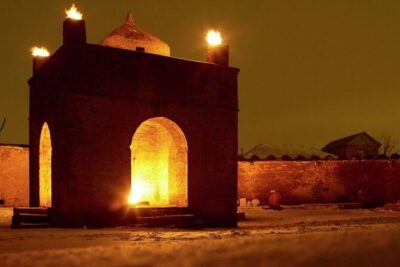
Gobustan, Volcanoes, Fire Temple and Yanardag Day Trip
Read our review →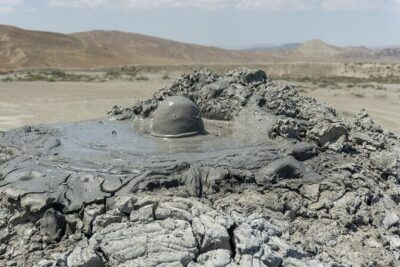
Gobustan & Mud, Fire Temple, Burning Mountain (Group & Private)
Read our review →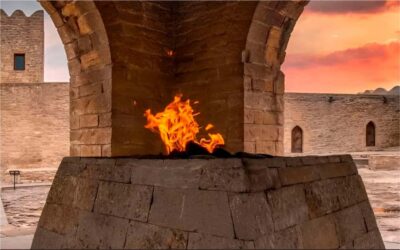
Mud Volcan-Fire Temple and Mountain Tour/Entrance inc
Read our review →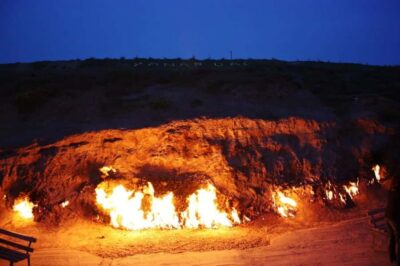
Gobustan Mud Volcanoes Temple & Entry tickets included
Read our review →Browse the lists this tour appears in