
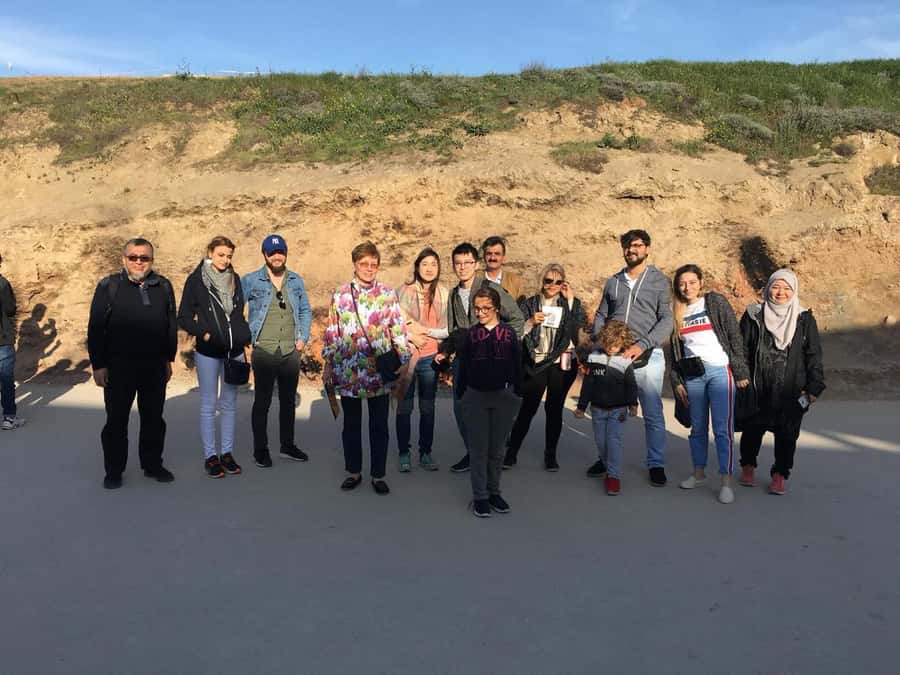
Reviewed · FIRE TEMPLE AND BURNING MOUNTAIN TOURS
Baku: Atashgah Fire Temple & Burning Mountain Half-Day Tour
At Ateshgah, flames once fed by gas beneath the ground burn at the center of a stone courtyard built by Indian merchants in the 18th century. Then you continue to Yanar Dag, where a wall of fire rises directly from the hillside. These are two of Absheron’s most unusual sights, and they fit neatly into a short outing from Baku.
I like the way this trip combines a historic fire-worshipping site with a living natural flame. I also like the low price, $23 per person, which includes transport, a guide, and entry tickets. The main caution is organization: this half-day trip may be joined to a longer group tour, and some bookings have involved long waits for lunch, pickup, or a transfer before the sightseeing began.
Key points to know before you book
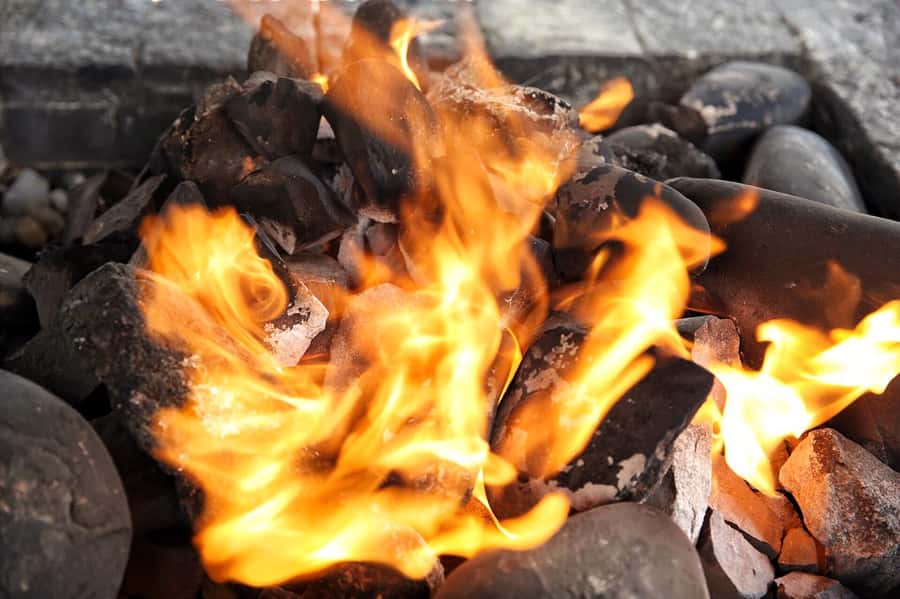
- Ateshgah is a stone courtyard temple: Explore the small fortress-like complex, central fireplace, roof flames, and surrounding cells.
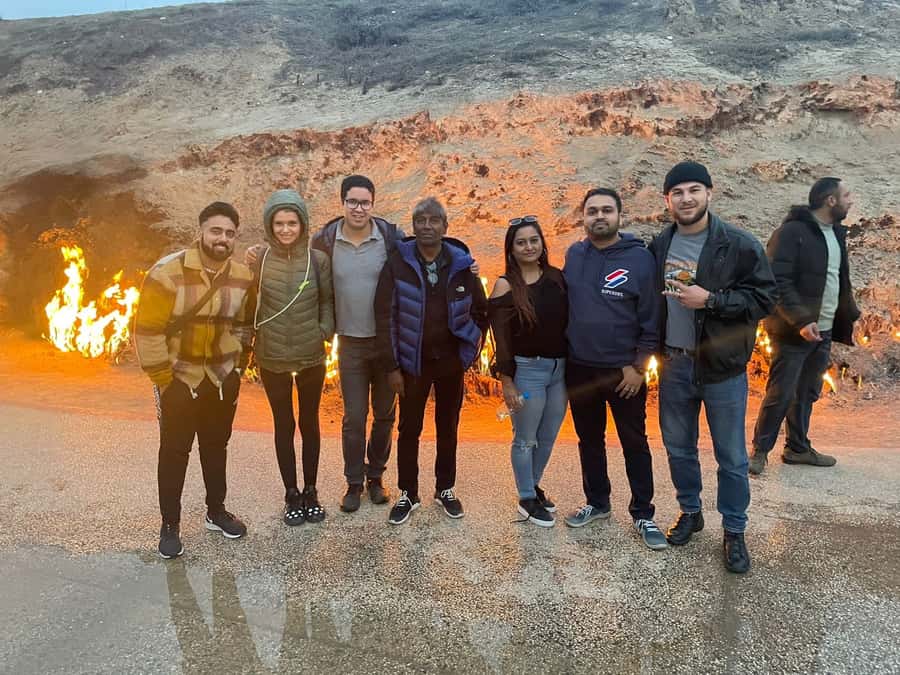
- Yanar Dag is a natural gas fire: A constantly burning wall of flame rises from rocks at the state reserve.
- The trip covers about three hours on paper: The actual day can run longer if you join a full-day group or wait for lunch arrangements.
- Transport and entry tickets are included: You ride in a minivan or van with an English or Russian-speaking guide.
- The price is strong when the schedule works: At $23, this is an inexpensive way to reach two sights outside central Baku.
- Ask about the meeting plan: Pickup details and the exact departure arrangement have not always been communicated early enough.
A short trip to Absheron’s fire country
Baku is famous for its oil wealth, but the Absheron Peninsula offers an older and stranger story: fire rising from the earth. This tour takes you east of the city to two places shaped by underground natural gas, Ateshgah Fire Temple and Yanar Dag.
The route is simple. First, you visit Ateshgah, about 21 kilometers east of Baku. Then you travel for roughly 35 to 40 minutes to Yanar Dag State Historical, Cultural and Natural Reserve. The sightseeing itself is focused, so the tour can fit travelers who have only one free afternoon.
The advertised duration is three hours. That makes the trip attractive for a short Baku stay, but you need to pay attention to how the operator combines groups. A few bookings have involved a delayed start, a stop for lunch, or a transfer from one meeting point to another. On a tour this short, an hour of waiting is not a minor nuisance. It can take up a large part of your day.
More fire-site trips from Baku:
- Baku: Gobustan, Volcanoes, Fire Temple and Yanardag Day Trip
★ 4.7 · 433 reviews - Gobustan & Mud, Fire Temple, Burning Mountain (Group & Private)
★ 4.5 · 418 reviews - Gobustan-Mud Volcan-Fire Temple and Mountain Tour/Entrance inc
★ 5.0 · 267 reviews
At Ateshgah, fire burns inside a stone courtyard
Ateshgah is the more substantial stop. From the outside, the complex resembles a small fortress, with sturdy stone walls surrounding a central courtyard. Small rooms or cells line the inside of the walls, giving the site a compact, enclosed feel.
The temple was built by Indian merchants in the 18th century around natural gas that once flowed permanently from below the ground. The fire made this a place of worship for people who followed fire-centered religious traditions. The site is often connected with Zoroastrian practice, although the complex also reflects the presence of Indian merchants and pilgrims in the region.
The central fireplace is the visual focus. Natural gas ventilation feeds the flame, and the complex also has four smaller fires at the corners of the pavilion roof. Those flames help you understand why this patch of Absheron became a religious destination long before modern tourism.
I would give yourself time to look beyond the main fire. The surrounding cells are one of the most useful parts of the visit because they show how the site functioned as a place for ascetic believers and pilgrims. The courtyard is not huge, so the guide’s explanation matters. Without context, you might simply see a stone enclosure with gas flames. With a guide, the building connects to the old practice of treating naturally occurring fire as sacred.
The English or Russian-speaking guide accompanies you through the temple. A good explanation should clarify the difference between the historic temple complex and the geological source of its fires. The first is a human-built place of worship; the second is the underground gas that made the site possible.
Why Ateshgah is more than a quick photo stop
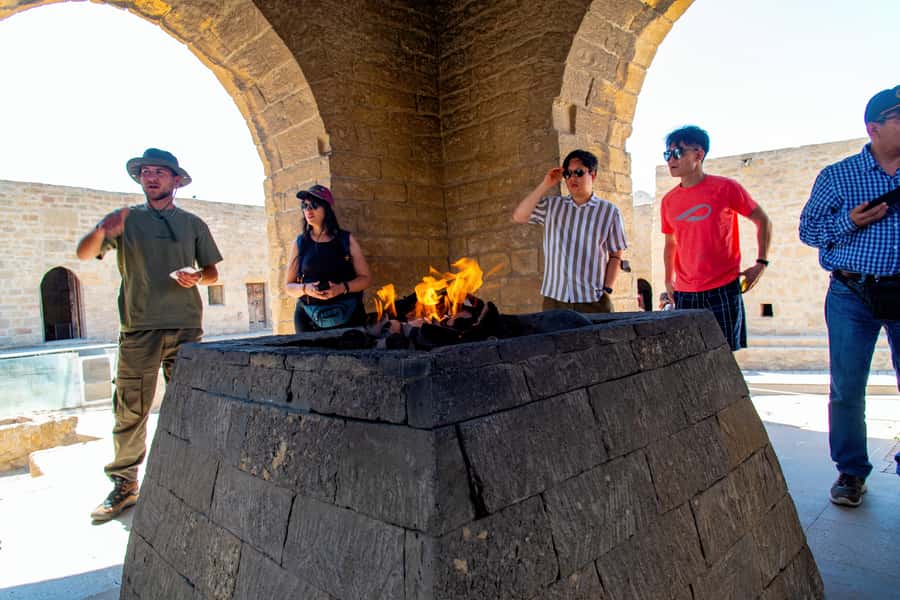
The fire is the obvious attraction, but the architecture gives the visit its shape. The square courtyard, cells, stone walls, and roof fires make Ateshgah feel like a place built around a single natural force.
You can also picture the practical life of the complex. Pilgrims and ascetics used the small rooms around the courtyard, while the central flame gave the temple its religious purpose. The attraction is not presented as a working medieval temple today, but its design lets you see how belief and geology met in one place.
I especially like this stop for people who want some cultural context rather than a simple natural oddity. Yanar Dag gives you the spectacle. Ateshgah gives you the human response to fire.
The possible drawback is scale. Ateshgah is a compact site, not a vast religious complex. If you expect a long museum visit or many separate buildings, you may find the stop brief. That is also why the tour works well as a half-day outing. You can see the main features without spending an entire day away from Baku.
The drive to Yanar Dag and the value of the second stop
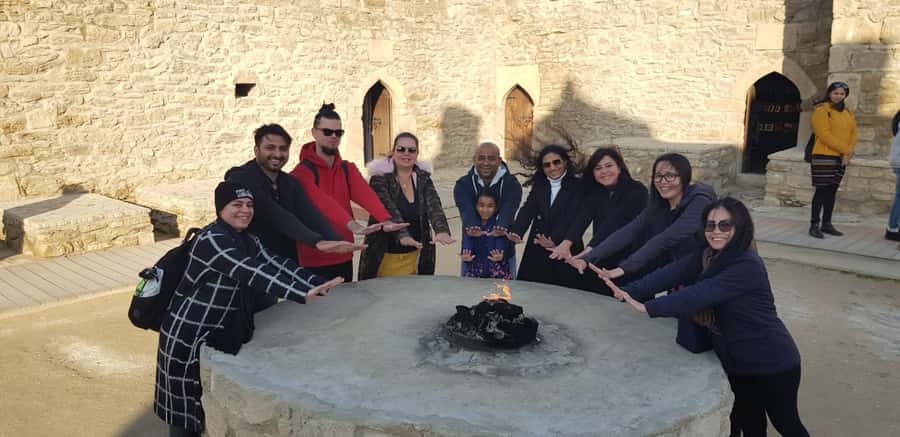
The road from Ateshgah to Yanar Dag takes about 35 to 40 minutes. That transfer is useful because the two sights are related but not identical. At Ateshgah, people built a temple around natural gas flames. At Yanar Dag, the fire remains a natural phenomenon on a hillside.
The tour uses a minivan or van, and transport is included in the price. For $23, that matters. Reaching both sites independently would require arranging transport beyond central Baku, paying the separate entrance fees, and working out the order of the stops yourself. The guide also gives you a basic structure for the afternoon.
You should not expect an elaborate scenic drive. The point is to reach the two fire sites, not to spend the day touring the wider Absheron Peninsula. The drive is best treated as a connection between the stops.
A few more things to do in Baku worth a look
- Baku: Half-Day Gobustan and Mud Volcanoes Tour with Entry
★ 4.7 · 144 reviews - Half-Day Baku City Sightseeing Tour
★ 5.0 · 23 reviews
Yanar Dag, where the hillside is on fire
Yanar Dag means burning mountain, and the name tells you what you are coming to see. At the reserve, natural gas leaks through cracks in the rocks and burns in a continuous wall of flame.
The fire is linked to tectonic shifts and volcanic material beneath the surface. Absheron has underground gas deposits, and at Yanar Dag that gas reaches the air and ignites. Unlike Ateshgah, this is not a temple built around a prepared fireplace. The hillside itself is the attraction.
The flames are usually the most memorable sight of the trip because they seem to emerge directly from bare rock. You are not looking at a bonfire or a modern display. You are seeing gas escaping from the earth and burning at the surface.
Yanar Dag has drawn attention for centuries. The Italian merchant and writer Marco Polo mentioned flames in the Baku area during his travels. The exact age of the fire is not firmly presented in the supplied tour details, but the site is described as burning for a very long period.
The visit is likely shorter and more visual than Ateshgah. You walk to the viewing area, see the flame wall, and listen to the guide explain the geology. I would think of Yanar Dag as the punctuation mark at the end of the tour. Ateshgah asks you to look at architecture, religion, and human history. Yanar Dag asks you to watch the ground burn.
The main problem is timing, not the sights
The strongest criticism of this trip concerns organization. The three-hour schedule sounds clear, but some half-day departures have been tied to a full-day tour already in progress.
That arrangement can create an awkward afternoon. You might meet the operator at 1 p.m., be told to return at 2 p.m., then wait again while the group is assembled. One booking involved a taxi transfer to another location before the half-day participants joined the main vehicle. Another involved waiting at a restaurant while a larger group ate lunch.
Lunch is particularly important here. A one-hour lunch break was not clear to every person booking the half-day version. If you have planned the outing around a strict three-hour window, an unadvertised meal stop can disrupt your schedule. In one case, the tour ended more than an hour later than expected. In another, the start was delayed by about two and a half hours.
That does not mean every departure will run poorly. The trip also received strong praise for a friendly, informative guide and a smooth solo outing. Still, you should treat the timetable as flexible unless the operator confirms the exact pickup time, meeting place, and whether you will join a full-day group.
My practical advice is simple: confirm those details before the day of the tour. Ask whether lunch is included, whether the vehicle leaves directly from the meeting point, and whether the three-hour duration counts waiting time or sightseeing time. This is especially important if you have an evening flight, a dinner reservation, or another scheduled activity.
Guide quality can shape the whole afternoon
The guide is central to this outing because neither site is enormous. You are paying less for extended independent exploration and more for transport plus interpretation.
A strong guide can explain why Ateshgah was built, how Indian merchants shaped the site, what the small cells were used for, and how the temple’s flames differ from the natural fire at Yanar Dag. The best commentary also puts Marco Polo’s mention of the flames into a wider story about why the Baku area became known for natural fire.
The guide languages listed are English and Russian. The tour is also available as a private group, which may help if you want more control over the pace or do not want to be tied to a larger group’s lunch stop. The supplied information does not name individual guides, so you should not book expecting a particular person.
The positive guide feedback is worth taking seriously. Friendly, informative service can turn a short visit into a useful introduction to Absheron. But a good guide cannot fully repair a badly handled schedule, which is why the pickup arrangement deserves as much attention as the guide language.
Is $23 good value?
At $23 per person, the tour is priced well if it delivers what is promised: transport, an English or Russian-speaking guide, and entry tickets to both Ateshgah and Yanar Dag.
The value is strongest for you if you are staying in Baku without a car. You get two out-of-town sights in one trip, and you do not need to negotiate separate transport. The price also makes sense for solo visitors, since a private taxi or individually arranged outing could cost more once the two sites are combined.
The value weakens if a large part of the afternoon disappears into waiting. A three-hour tour with a two-hour delay is poor value, even at a low price. The cost is not the only thing to assess. Your time in Baku may be worth more than the saving.
If the operator confirms a direct half-day departure, I consider $23 a very reasonable price. If the booking is attached to a full-day itinerary, ask for the exact plan before paying. Private group availability gives you another option if schedule control matters more than the lowest price.
Free cancellation up to 24 hours before departure and reserve-now, pay-later booking make it easier to keep plans flexible. Those terms are useful, but they do not remove the need to confirm the meeting details.
Who should choose this fire temple and mountain tour?
I would recommend it to you if you want a short trip beyond central Baku and are curious about the connection between geology, worship, and the city’s long association with fire.
It suits:
- First-time visitors who want to see two well-known Absheron sights without arranging transport
- Solo visitors who prefer a guided outing
- People interested in religious history and natural phenomena
- Visitors with only one free afternoon
- Anyone who wants a low-cost excursion with tickets and transport included
- People who need wheelchair-accessible transportation and site arrangements, as accessibility is listed for the activity
I would be more cautious if you have a strict schedule. The sights themselves fit a short tour, but the group arrangements may not. Families or older visitors may also want to confirm how much walking is involved at each site, since the supplied details confirm wheelchair accessibility but do not describe the exact surfaces or distances.
How to make the most of the visit
Before departure, confirm four things: the meeting point, the pickup time, whether you are joining a full-day group, and whether lunch is part of the schedule. These details matter more here than packing a long list of questions about the sites.
At Ateshgah, pay attention to the small cells around the courtyard rather than heading straight to the central fire. At Yanar Dag, listen for the explanation of how gas reaches the surface, since that is what separates this site from a simple man-made flame.
Keep your expectations realistic. This is a focused three-hour excursion, not a full survey of the Absheron Peninsula. The reward is the contrast between a carefully built temple and a naturally burning hillside.
Should you book it?
Book this tour if you want an inexpensive, guided way to see Ateshgah and Yanar Dag, and if you can allow extra time around the stated three hours. The sights are unusual, the route is practical, and the combination of fire worship and natural gas flames gives the outing a clear purpose.
Skip it, or choose the private option, if you need a precise departure and return time. The biggest weakness is not the temple or the burning mountain. It is the risk of waiting for a larger group or an unexpected lunch stop. Confirm the schedule first, and this can be one of the better-value short excursions from Baku.
FAQ
Where is Ateshgah Fire Temple?
Ateshgah is about 21 kilometers east of Baku on the Absheron Peninsula.
What is special about Ateshgah?
Ateshgah is a stone, fortress-like temple complex built by Indian merchants in the 18th century around natural gas flames. It has a central fireplace, four smaller roof fires, and cells around the courtyard.
What is Yanar Dag?
Yanar Dag means burning mountain. It is a natural gas fire where flames burn continuously along a section of hillside.
How long does the tour last?
The advertised duration is three hours, although the actual day can last longer if you join a full-day group or stop for lunch.
What is included in the price?
The $23 price includes an English or Russian-speaking guide, transportation by minivan or van, and entry tickets.
Is the tour available in English?
Yes. The listed guide languages are English and Russian.
Can I book a private group?
Yes. A private group option is available.
Just added in Baku
- From Baku: Guba-Khinalig Day Trip★ 5.0 · 12 reviews
- From Baku: Gobustan 4×4 Private Tour – Private★ 5.0 · 3 reviews
- From Baku: Gobustan Rock Art and Mud Volcanoes Tour★ 5.0 · 6 reviews
- From Baku: Gobustan Day Tour★ 5.0 · 7 reviews
- From Baku: Gobustan Guided Day Trip with Transfers★ 3.9 · 11 reviews
- From Baku: Shamakhi and Gabala scenic tour★ 5.0 · 4 reviews
- From Baku: Gabala Day Trip★ 4.0 · 11 reviews
- From Baku: Gabala Cable Car, Nohur Lake & Juma Mosque Trip★ 4.5 · 6 reviews
Fire Temple and Burning Mountain Tours, compared.
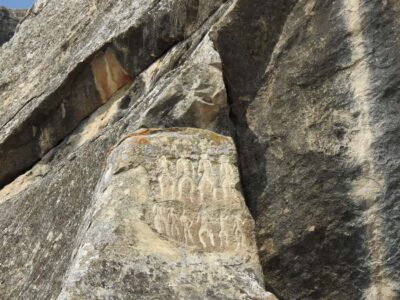
Gobustan, Volcanoes, Fire Temple and Yanardag Day Trip
Read our review →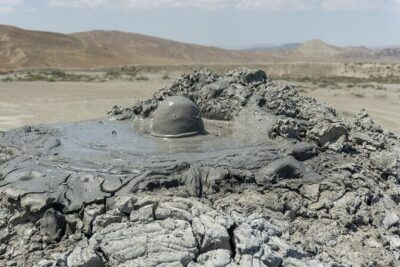
Gobustan & Mud, Fire Temple, Burning Mountain (Group & Private)
Read our review →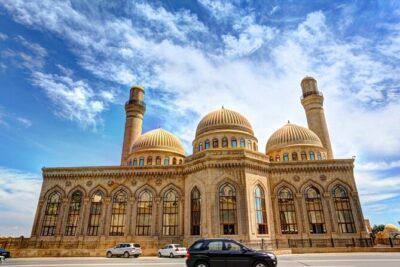
Mud Volcan-Fire Temple and Mountain Tour/Entrance inc
Read our review →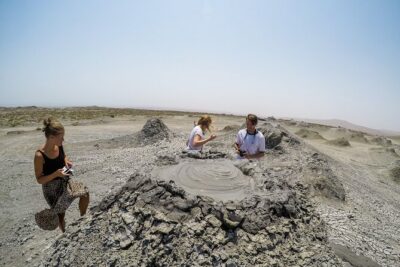
Gobustan, Mud volcanoes, Fire temple, Fire mountain PRIVATE TOUR
Read our review →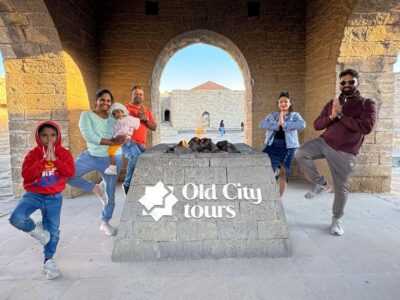
Gobustan & Mud, Fire Temple, Burning Mountain, H.A. Center
Read our review →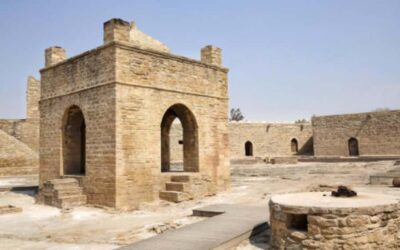
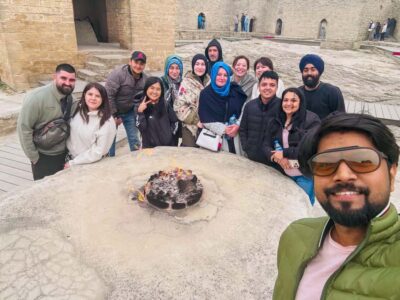
Gobustan, Mud Volcanoes, Fire Temple, & Yanar Dag Tour
Read our review →
Burning Mountain & Zorastrian Temple Private Tour
Read our review →Browse the lists this tour appears in