
Reviewed · GOBUSTAN AND MUD VOLCANO TOURS
Gobustan Magic of Mud Volcanoes and Ancient Petroglyphs
Gobustan’s mud volcanoes bubble from bare hills, while nearby rocks preserve scenes carved and scratched by people thousands of years ago. This private trip with guide Jabrail links those strange natural formations with Azerbaijan’s oil story and Islamic heritage in one morning.
I like the small private format, since your group can ask questions and set the tone. I also like the unusual mix of petroglyphs, Roman writing, mud cones, a mosque, and oil pumps. You get far more than a standard museum visit.
The main consideration is the long transfer between stops and the extra charge for some fees and taxes. The mud volcano admission is not included, though the off-road vehicle payment is covered, so ask for a clear breakdown before departure.
Key points to know before booking
- Ancient art at Boyuk-Dash: Spend about two hours among Gobustan’s petroglyphs, including hunting, fishing, dances, rituals, and a Roman military inscription.
- Mud volcanoes by off-road vehicle: The unusual clay cones can bubble or release smoke, and the dedicated off-road payment is included.
- A private outing: Only your group takes part, with room for questions and a more personal pace.
- Four very different stops: The route joins prehistoric art, Islamic architecture, oil history, and unusual geology.
- A five-hour morning: Start at 9:00 am from Nizami Garden and return to the same meeting point.
- A guide-centered experience: Jabrail brings stories about Azerbaijan’s past, customs, oil boom, and local landmarks.
Gobustan’s ancient drawings deserve the most time
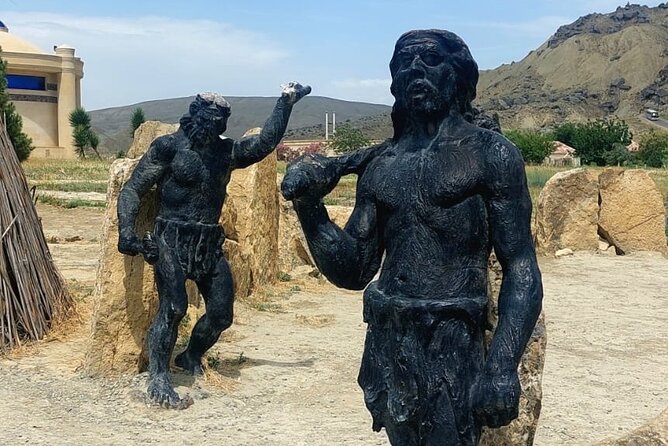
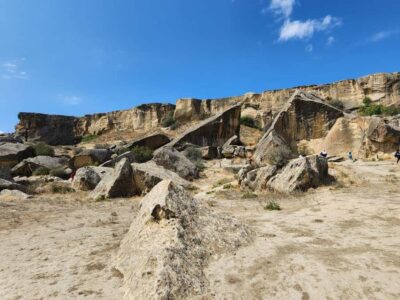
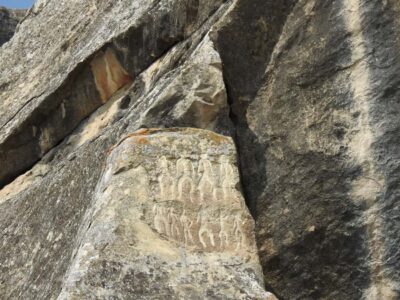
The heart of the trip is Gobustan Reserve, where rock surfaces carry images made over thousands of years. You’ll see scenes linked to hunting, fishing, rituals, dances, and tribal life. One striking detail is the depiction of bride kidnapping, a reminder that these carvings are not just decorative marks. They offer clues about how people lived, celebrated, and understood their world.
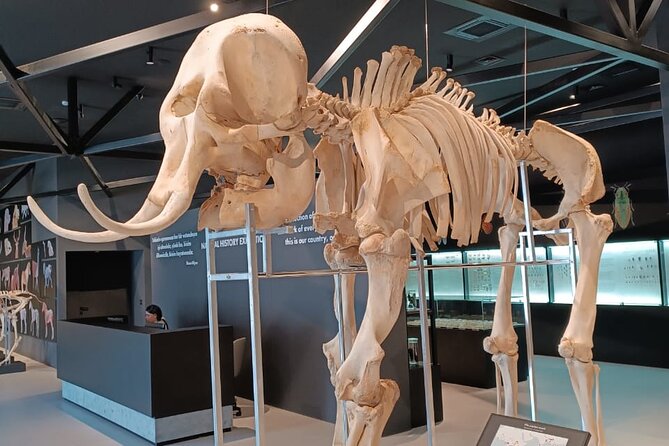
You spend about two hours here, with admission to the Gobustan museum included. That combination matters. The museum can give you useful background before or around the outdoor site, while the rocks make the subject direct and physical. You are not only looking at photographs of ancient art. You are seeing the actual stone surfaces where these marks survived.
The setting is spare and rocky, so wear shoes that feel secure on uneven ground. The supplied information does not promise a particular walking distance or trail condition, so ask Jabrail about the route if you have mobility concerns. Most people can participate, but this is not presented as a fully step-free visit.
Other petroglyph and mud volcano runs from Baku:
- Baku: Gobustan, Mud Volcano, Fire Mount, Temple Lunch Entry
★ 4.9 · 3,246 reviews - BEST Gobustan, Volcanoes & Absheron Fire Tour (Group or Private)
★ 5.0 · 1,254 reviews - Gobustan and Absheron tour (All inclusive)
★ 5.0 · 1,014 reviews
The 10,000-year-old Gavaldash
Jabrail also introduces the stone called Gavaldash, said to be more than 10,000 years old. Its importance comes from the way it connects sound, ritual, and early human activity. The name is often associated with a stone that produces a ringing tone when struck, though the exact demonstration is not specified here, so you should ask the guide what you will see and hear during your visit.
This is the kind of detail that can turn a quick stop into a memorable one. Gobustan is not only a collection of pictures on rock. It preserves objects and places tied to daily life, music, ceremony, and group identity.
A Roman mark at the edge of the empire
At the foot of Boyuk-Dash, a centurion from the XII Lightning Legion left an inscription in the first century AD. It is described as the easternmost Roman inscription of its kind. That small mark gives Gobustan another layer: long after prehistoric communities used the area, Roman soldiers reached this far east and left evidence of their presence.
You may also see short Arabic sayings and images of men in turbans. The result is a wall of history that does not belong to one period or one people. The carvings and inscriptions form a record of changing visitors, beliefs, and everyday life.
I would give the petroglyph stop your full attention. The two-hour allocation is the strongest part of the schedule, and rushing it would weaken the point of coming here.
Mud volcanoes add a strange natural sequel
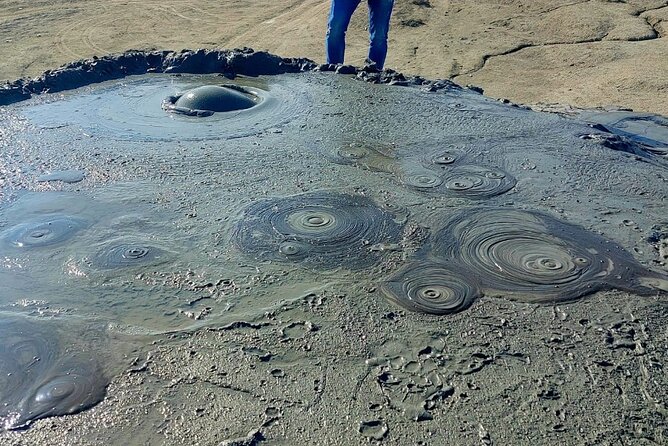
After the rock art, the tour turns to Azerbaijan’s mud volcanoes. Small cones appear along the route, and you might see smoke or bubbling clay from a distance. The sight is very different from a conventional volcano. Instead of hot lava and dramatic peaks, you get low mounds made from cold or cool mud, with occasional movement and gas.
The visit lasts about an hour. An off-road vehicle payment is included, which is useful because the volcano area requires a rougher approach than an ordinary city road. Mud volcano admission is listed separately as not included, so confirm the exact amount before setting out. The general statement that all fees and taxes are not included also means the $65.55 price may not be your final cost.
This stop is best for people who like unusual geology and open, uncrowded-looking places. It is less useful if you expect a long walk, a large eruption, or a developed visitor center. The information promises the cones and the off-road ride, but it does not promise a major eruption on the day of your visit. Nature sets the schedule here.
I like the contrast between Gobustan’s carefully preserved carvings and the mud volcanoes’ active, messy feel. One stop shows what people left behind. The other shows the ground still shifting and bubbling beneath them.
Same base, a different sort of day:
- Baku: Guba, Shahdag, Laza & Lunch w/ Free City & Night Tour
★ 4.8 · 1,455 reviews - Shamakhi And Gabala Tour (All inclusive)
★ 5.0 · 815 reviews - From Baku: Gabala and Shamakhi Tour (Free Baku City Tour)
★ 4.8 · 695 reviews - Baku: Candy Cane, Guba, Khinaliq village with Homemade Lunch
★ 4.9 · 519 reviews
Bibi-Heybat Mosque brings the route back to Baku
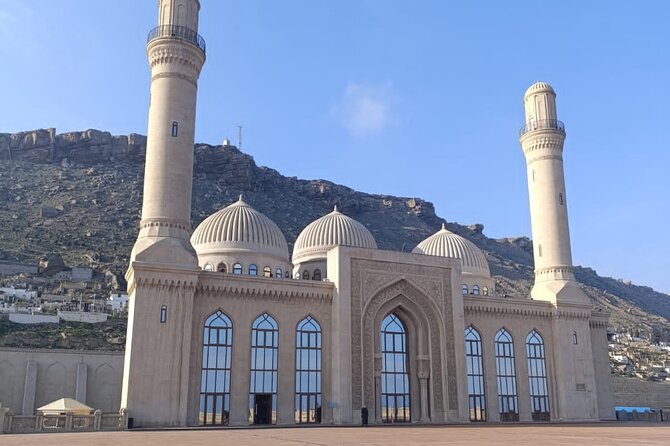
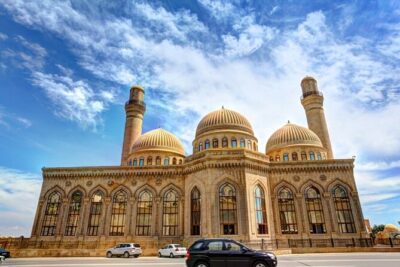
The Bibi-Heybat Mosque is a short 20-minute stop, with entry listed as free. It is presented as a pearl of Islamic architecture and gives the morning a clear cultural and religious dimension.
Do not expect a long mosque visit at this point in the schedule. Twenty minutes is enough for a look, a few photographs where permitted, and an explanation from Jabrail, but not a detailed architectural study. The supplied details do not specify dress rules or interior access, so ask your guide about current visiting arrangements.
The mosque matters because it stops the tour from becoming only a prehistoric and geological outing. Azerbaijan’s story also includes Islamic worship, architecture, and living traditions. A brief visit can help you see Baku’s surroundings as more than an oil center or a modern capital.
Keep your behavior respectful at a religious site. The tour description does not provide a formal visitor code, so follow Jabrail’s instructions and any posted rules.
Azerbaijan’s oil story ends the morning
The final stop is the site of the world’s first oil well, drilled in 1846 in the Bibi-Heybat oil field outside Baku. You’ll see oil pumps linked to Azerbaijan’s early oil boom. The stop takes about 20 minutes and admission is free.
The short visit works as a visual conclusion. Earlier, you saw human marks from deep antiquity. Here, you see the machinery and industrial history that helped shape the modern country and influenced events far beyond Baku. Oil is not a side note in Azerbaijan. It affected the city’s growth and the wider course of history.
The stop is concise, so expect an explanation and a look at the pumps rather than a full industrial museum. If oil history is your main interest, you may want a separate visit to a more extensive museum or site, but that is outside this tour.
Together, the mosque and oil well make a useful pair. Both sit within the Bibi-Heybat area, yet they point to different parts of Azerbaijan’s identity: religious architecture and petroleum development.
What the five-hour schedule feels like
The tour begins at 9:00 am at Nizami Garden in Sabayil, central Baku, and returns to that same meeting point. Pickup is offered, though the stated meeting point is the practical place to confirm when and where you will be collected.
The schedule adds up to roughly five hours, including transport. The named stops take about three hours in total: two hours at Gobustan, one hour at the mud volcanoes, and 20 minutes each at the mosque and oil well. The remaining time is for driving between Baku and the sites, including the off-road section.
That timing is sensible for a morning outing, but it is not a slow country day. The petroglyphs receive the longest visit, while the Bibi-Heybat and oil stops are quick. If you prefer long meals, extended photography, or unplanned wandering, this compact plan may feel structured.
Lunch is not included. Since the experience lasts about five hours and starts in the morning, plan around the fact that you will need to arrange your own meal. Bottled water is included, along with an air-conditioned vehicle. Those basics matter in a dry, exposed area, especially when the schedule keeps you moving.
Why the private format affects the value
At $65.55 per person, the value depends partly on your group size. You are paying for a private activity, transport in an air-conditioned vehicle, bottled water, Gobustan museum tickets, and the off-road vehicle payment for the mud volcanoes. Only your group participates, so you are not sharing the guide’s attention with a large coach party.
For a solo visitor or a small group, the price may feel fair because the route covers several distant sights and includes a guide rather than only transport. For a larger private group, the per-person cost may be easier to justify. You should still ask about the unspecified fees and taxes, plus the mud volcano admission, before booking.
The guide’s role is central. Jabrail presents the route through stories about Azerbaijan’s history, culture, customs, oil boom, and architecture. The description also says the outing can be adapted to interests, age, and preferences. That does not guarantee unlimited changes, but it gives you a reason to explain your priorities at the start.
If you want more time on petroglyphs, ask for it early. If the oil well matters most to you, say so. A private tour is most useful when you tell the guide what you want from it.
What the guide adds to the experience
Jabrail is repeatedly described as warm, attentive, organized, and easy to communicate with. Those qualities matter on a route with several unrelated subjects. You need someone who can move from prehistoric symbols to Roman military writing, then to Islamic architecture and oil production without making the morning feel like a string of disconnected facts.
His approach is built around stories rather than dry dates. That should help if you want the places explained in plain language. He also aims to create a relaxed atmosphere and share details about Azerbaijan that are easy to miss on a self-guided outing.
The feedback available for this experience is limited to three written comments, so I would not treat it as a large statistical record. Still, the same themes appear repeatedly: kind service, good organization, clear communication, strong local context, and personal care. Those are the qualities most worth emphasizing here.
Who should book this Gobustan tour
I would recommend it to you if you have one morning in Baku and want to see several major subjects without arranging separate transport. It suits first-time visitors who want context, small groups who prefer a private guide, and anyone drawn to archaeology, geology, religion, or oil history.
It also works well for people who enjoy variety. Gobustan alone could fill the morning, but this route adds mud volcanoes, a mosque, and oil pumps. You get a broad introduction to the area rather than a single-theme excursion.
You may want to reconsider if you dislike driving, need a leisurely lunch built into the schedule, or want a highly specialized archaeology tour. The mud volcano visit is weather and nature dependent in character, and its admission cost is not included. The short mosque and oil-well stops may also feel too brief if those are your main interests.
Most people can participate, and the tour is near public transportation. Still, the outdoor rock and volcano stops may require more standing or walking than the short city stops. Ask about the exact conditions if that could affect your decision.
Booking advice and cancellation terms
The tour is commonly booked well ahead, with an average lead time of 203 days. That suggests you should reserve early if this particular private departure matters to your schedule, especially during busy periods.
Confirmation arrives at booking. You can cancel for a full refund up to 24 hours before the local start time. Cancellations or changes made inside that 24-hour window are not accepted for a refund.
I would also confirm three items before paying: the exact pickup arrangement, the amount of mud volcano admission, and any additional fees or taxes. The included Gobustan museum ticket and off-road vehicle payment are clear, but the other costs deserve a direct question.
Should you book this Baku day trip?
Book it if you want an efficient, private introduction to the area beyond central Baku. The strongest reason is the combination: Gobustan’s ancient art is the main event, while the mud volcanoes, Bibi-Heybat Mosque, and first oil well give you four very different ways to understand Azerbaijan.
The tour is especially good when you value a guide who can explain connections between sites and adjust the conversation to your interests. Just allow for driving time, bring sensible footwear, arrange your own lunch, and confirm the extra charges.
If those conditions suit you, $65.55 per person is a reasonable starting price for a private five-hour outing with transport and several included elements. I would book it for the range of experiences, with the petroglyphs as the clear centerpiece.
FAQ
How long does the Gobustan tour last?
The experience lasts approximately five hours.
What time does the tour start?
It starts at 9:00 am local time.
Where does the tour begin and end?
It begins at Nizami Garden in Sabayil, Baku, and ends back at the same meeting point.
Is hotel pickup available?
Pickup is offered, but the stated meeting point is Nizami Garden. Confirm the exact pickup arrangement when booking.
Is this a private tour?
Yes. Only your group participates in the activity.
What is included in the price?
Bottled water, an air-conditioned vehicle, tickets to the Gobustan museum, and payment for the off-road vehicle at the mud volcanoes are included.
Is lunch included?
No. Lunch is not included.
Can I cancel for a full refund?
Yes. You can cancel at least 24 hours before the start time for a full refund. Cancellations or changes made less than 24 hours before the experience are not refunded or accepted.
Just added in Baku
- Wine Tour Baku★ 5.0 · 4 reviews
- Tour to the North part of Azerbaijan Forests and Mountatin Quba★ 5.0 · 10 reviews
- Traditional Azerbaijani Cuisine Workshop★ 5.0 · 5 reviews
- Baku Sightseing Tour★ 5.0 · 12 reviews
- The Magnificent Baku Night Tour★ 5.0 · 3 reviews
- Full Day KHINALUG and the Candy Mountains Tour★ 5.0 · 15 reviews
- SHEKI – ancient and beautiful Land ( All Inclusive Tour )★ 4.5 · 10 reviews
- Small-Group Day Trip to Gobustan, Mud Volcanoes, Ateshgah & Yanar Dagh★ 4.5 · 3 reviews
Gobustan and Mud Volcano Tours, compared.
Gobustan, Mud Volcano, Fire Mount, Temple Lunch Entry
Read our review →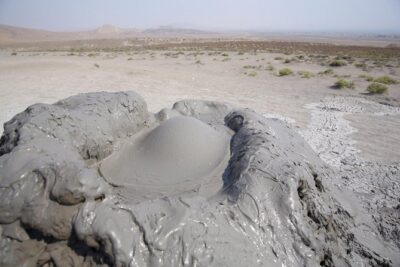
BEST Gobustan, Volcanoes & Absheron Fire Tour (Group or Private)
Read our review →
Gobustan, Volcanoes, Fire Temple and Yanardag Day Trip
Read our review →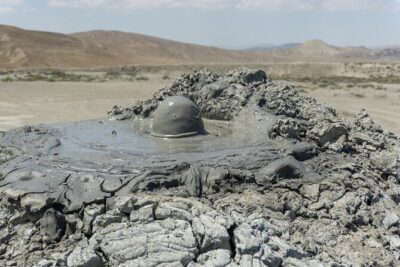
Gobustan & Mud, Fire Temple, Burning Mountain (Group & Private)
Read our review →
Mud Volcan-Fire Temple and Mountain Tour/Entrance inc
Read our review →
Gobustan Mud Volcanoes Temple & Entry tickets included
Read our review →Browse the lists this tour appears in