
Reviewed · GOBUSTAN AND MUD VOLCANO TOURS
Gobustan, Mud volcanoes, Fire temple, Fire mountain PRIVATE TOUR
Gobustan’s ancient carvings and Azerbaijan’s bubbling mud volcanoes make an unusual pair: one records human life thousands of years ago, while the other looks like a small patch of Mars. This private day trip adds Bibi-Heybat Mosque, the Ateshgah Fire Temple, and Yanardag’s eternal flame.
I like the wide range of subjects, from prehistoric art to oil history and Zoroastrian worship. I also like the ride to the volcanoes in a Soviet-era Lada, which gives that part of the day a rougher, more local feel. The main drawback is that admission fees and lunch are extra, and the schedule is full.
Key points at a glance
- Gobustan’s petroglyphs show how ancient people depicted hunting, dancing, animals, boats, and daily life.
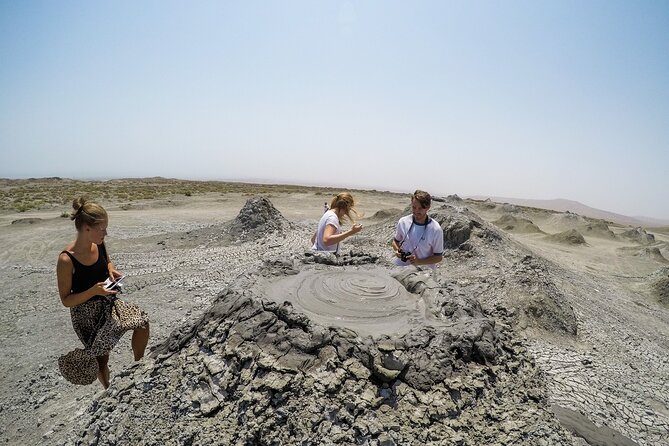
- The mud volcanoes are reached in a Soviet-era Lada, with bubbling gray mud and open coastal scenery.
- Bibi-Heybat Mosque adds a living religious site and a look at Azerbaijan’s early oil industry.
- Ateshgah Fire Temple explains the area’s Zoroastrian and Hindu connections.
- Yanardag burns naturally from gas escaping through a hillside on the Absheron Peninsula.
- A private format gives your group one guide and vehicle, with a listed price of $79 per person before entrance fees and food.
Why this makes a strong day outside Baku
This is not a gentle city sightseeing loop. It is a full day built around the forces that shaped Azerbaijan: early human settlement, volcanic earth, oil, religion, and natural gas.
The route also helps you see how varied the area around Baku can be. Gobustan feels dry and ancient. The mud volcanoes are strange and almost otherworldly. Bibi-Heybat connects the coast to Islamic tradition and the oil boom. Farther north on the Absheron Peninsula, fire temples and a burning hillside explain why Azerbaijan became known as the Land of Fire.
You get a guide throughout the day, air-conditioned transport, and bottled water. The private setup is useful if you want to ask questions, move at your own pace within the schedule, or avoid being folded into a large bus group. Past guides named in tour feedback include Kamal, Abid, Valeh, Aga, Ade, Turel, and Elvin. The exact guide for your date is not specified, but the strongest praise has focused on clear explanations, punctuality, polite service, and strong knowledge of Azerbaijani history and archaeology.
The advertised price is $79 per person. That is a fair starting point for a private 7 to 8 hour outing with transport and a guide, but you must add four entrance fees and lunch. Ask about the total cost before you set out, especially if your budget is tight.
More fire-site trips from Baku:
- Baku: Gobustan, Volcanoes, Fire Temple and Yanardag Day Trip
★ 4.7 · 433 reviews - Gobustan & Mud, Fire Temple, Burning Mountain (Group & Private)
★ 4.5 · 418 reviews - Gobustan-Mud Volcan-Fire Temple and Mountain Tour/Entrance inc
★ 5.0 · 267 reviews
Gobustan: ancient life carved into stone
The morning begins at 9:30 am from the listed meeting point on Aşurlu, near Nizami Badalan mektebin yolu. From central Baku, the drive toward Gobustan takes about an hour each way, with the site roughly 60 kilometers from the city.
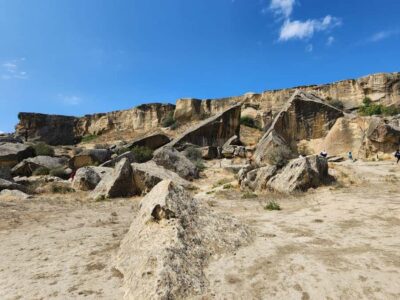
The Gobustan visit combines an indoor museum with an outdoor rock-art area. Plan on about one hour and fifty minutes here. That is enough time to understand the displays and then see the carvings in their actual setting rather than only through photographs.
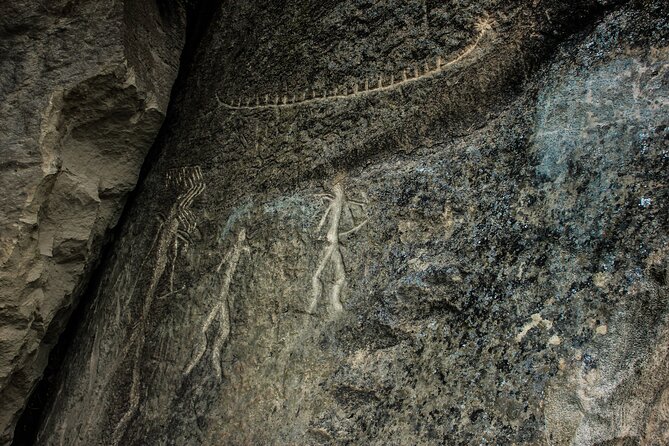
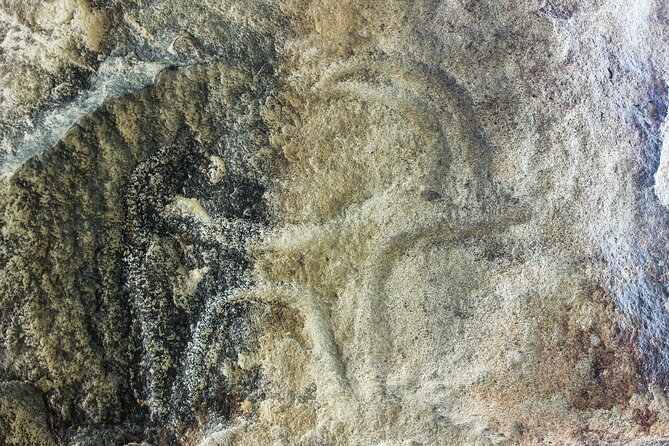
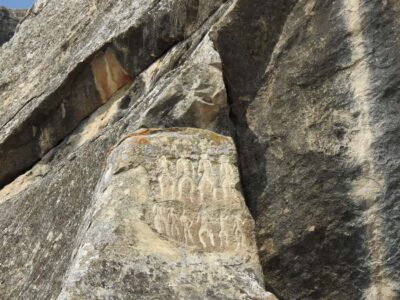
The petroglyphs were cut into cave walls and rock surfaces by prehistoric people. They show animals, human figures, hunting scenes, and other details of early life. The value of the site is not only its age. These drawings offer clues about how people worked, moved, hunted, worshipped, and understood the world around them.
A good guide makes a real difference here. The markings can look simple at first, and without context you may walk past them quickly. A guide can point out the details and explain how the images relate to the economy and customs of ancient communities in this part of Azerbaijan.
Admission to the Gobustan Rock Art site is not included. The tour information also lists a separate entrance fee for the Gobustan mud volcano area, so budget for both. The outdoor portion may involve walking on uneven ground, and large bags are not allowed on the activity.
Mud volcanoes and the Soviet-era Lada ride
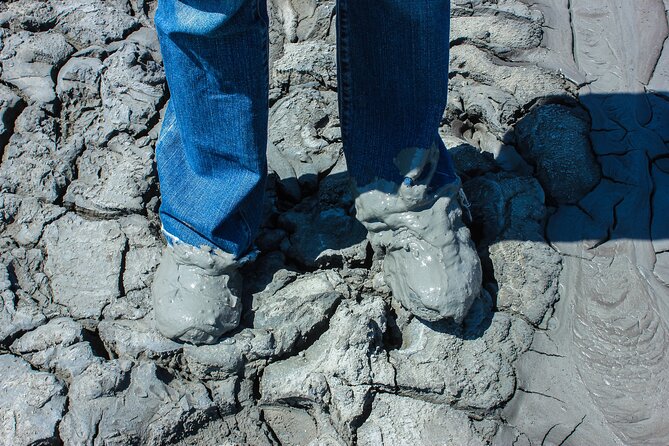
After Gobustan, the route continues toward the coastal area where Azerbaijan has hundreds of mud volcanoes. The country is home to about 400 of them, and this stop gives you a close look at the bubbling, low cones that rise from the ground.
The tour uses Lada cars for this section. The Soviet-era vehicle is part of the character of the outing, not a luxury upgrade. Expect a more basic ride than the air-conditioned tour vehicle, along with a road journey that takes about an hour in total. You spend at least 30 minutes at the volcanoes.
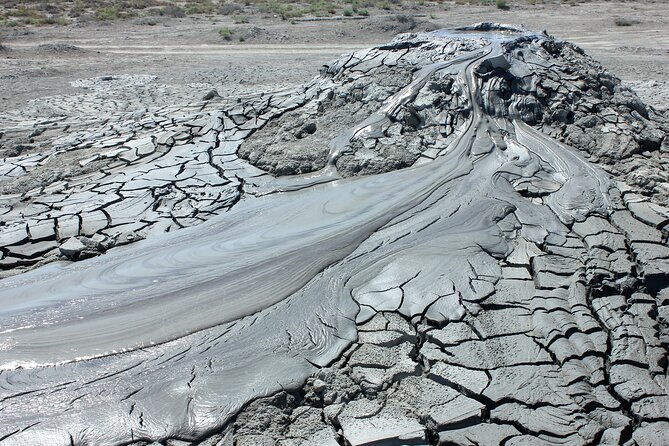
Mud volcanoes do not erupt with bright red lava. Instead, cool mud and gas bubble up from below, creating small pools, crusted mounds, and occasional bursts. The result can look stark and almost lunar, which explains the nickname Modern Mars.
This is one of the day’s most unusual stops, but keep your expectations realistic. It is an open natural site, not a developed attraction with a long visitor program. You are there for the strange geology, the views, and the chance to see a feature that feels very different from Baku’s polished center.
The road conditions and weather can affect how enjoyable this section feels. The tour requires good weather, and the company may reschedule or offer a refund if conditions force cancellation. Wear shoes that can handle dusty or uneven ground, though the supplied information does not specify a required dress code.
Bibi-Heybat Mosque and Azerbaijan’s oil story
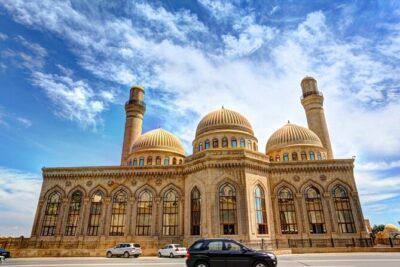
The stop at Bibi-Heybat Mosque brings the day back to a place of active religious importance. The guide explains the mosque’s religious role and its historical background, then connects the site with an industrial oil well nearby.
This combination is useful because Azerbaijan’s past cannot be understood through monuments alone. Faith and oil shaped the country side by side. Bibi-Heybat helps explain the religious side, while the nearby well points to the oil boom that transformed the Baku area.
Allow about an hour and thirty minutes for the mosque, the oil-related stop, and lunch. A local restaurant meal or takeaway can be arranged, with Azerbaijani dishes available. Lunch is not included in the $79 price, so ask whether you will stop for a sit-down meal or collect food to keep the schedule moving.
The mosque is a religious site, so follow the guide’s instructions about respectful behavior. The supplied information does not spell out clothing requirements, but modest dress is a sensible choice when visiting a place of worship.
This stop also gives the day a needed change of pace. Gobustan and the volcanoes are mainly about open-air scenery and ancient earth. Bibi-Heybat adds architecture, living faith, and a direct link to modern industry.
Other petroglyph and mud volcano runs from Baku:
- Baku: Gobustan, Mud Volcano, Fire Mount, Temple Lunch Entry
★ 4.9 · 3,246 reviews - BEST Gobustan, Volcanoes & Absheron Fire Tour (Group or Private)
★ 5.0 · 1,254 reviews - Gobustan and Absheron tour (All inclusive)
★ 5.0 · 1,014 reviews - Baku: Gobustan Absheron Tour Entry Tickets included
★ 4.9 · 329 reviews
Ateshgah Fire Temple: fire, trade, and belief
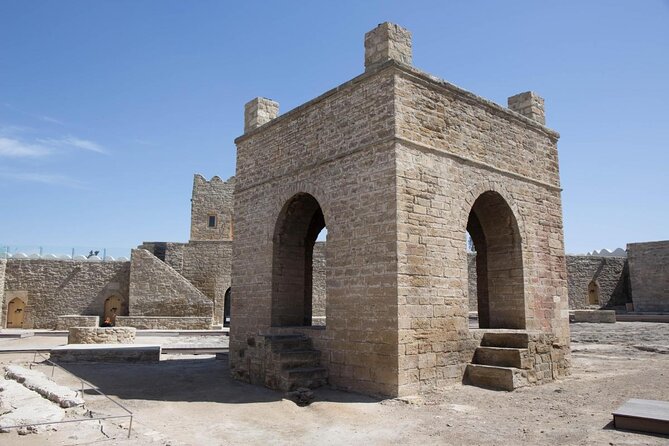
After lunch, the tour heads toward the Absheron Peninsula and the Ateshgah Fire Temple. The complex is associated with Zoroastrian fire worship and with the Baku-based Hindu community connected to Sikhs.
The temple is built around a central altar within a pentagonal complex. Its shape and enclosed layout make it easy to understand as a pilgrimage site. Worshippers came to a place where natural gas once fed sacred flames, and the location became important to several religious communities over time.
The guide explains that Zoroastrians lived in Azerbaijan for around 300 years. That detail gives the site a broader setting. Ateshgah was not an isolated curiosity, but part of a religious and commercial world linked by movement across the region.
You should allow about two and a half hours for the final section of the day, which includes Ateshgah, Yanardag, and the return toward central Baku. The temple entrance fee is extra.
I would not rush through Ateshgah. The central altar and surrounding rooms are easy to photograph, but the real value comes from understanding why fire mattered here and how different communities used the site. If your guide is one of the archaeology-focused leaders mentioned in past departures, ask about the changing role of the temple over time.
Yanardag, the hillside that keeps burning
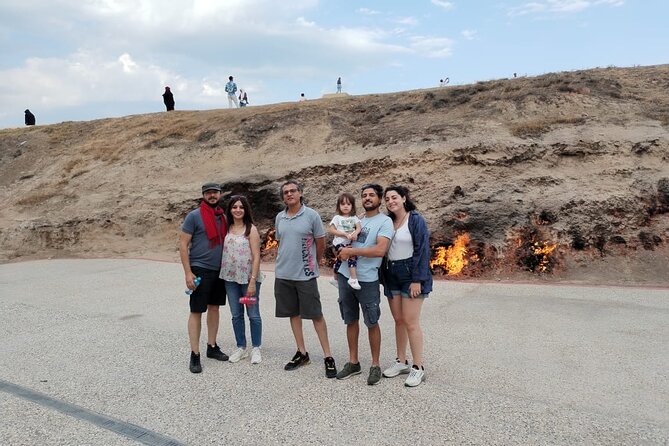
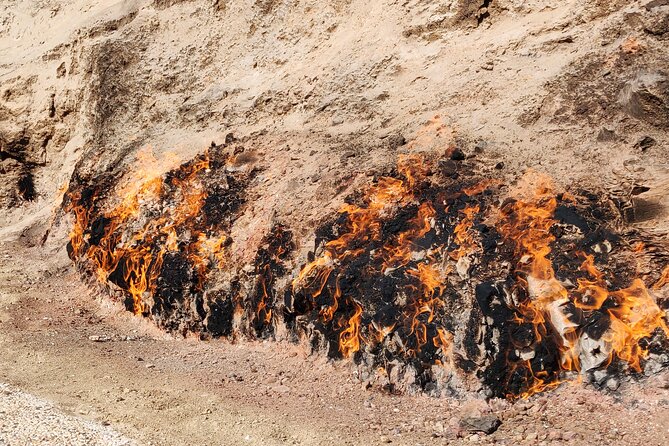
Yanardag, or Fire Mountain, is one of the most famous stops near Baku. Natural gas escapes through the hillside and burns continuously, producing a line of flames against the slope.
The fire is most striking when you consider its source. This is not a staged flame effect. It is a natural gas fire protected within a state conservation area on the Absheron Peninsula near the Caspian Sea.
At the same time, Yanardag is a short visit rather than a full-day attraction. The site is easy to see, and the flame itself may not match the grand expectations created by the name Fire Mountain. One of the useful lessons from past visits is to combine Yanardag with Ateshgah, exactly as this tour does. Together, they explain both the natural fire and the religious traditions that grew around such flames.
The entrance fee is not included. After Yanardag, the planned route ends and you return to the original meeting point in the city center.
Timing, transport, and group comfort
The tour starts at 9:30 am and lasts roughly 7 to 8 hours. The schedule is packed, but it is not wasteful. The long driving sections are necessary because Gobustan, the mud volcanoes, Bibi-Heybat, Ateshgah, and Yanardag are spread across different areas outside Baku.
Your main vehicle is air-conditioned, and bottled water is included. The private arrangement means only your group participates, which is helpful if you want explanations tailored to your interests. It also removes the uncertainty of waiting for a large group at every stop.
The mud volcano section is different because you use Lada cars. That ride may be one of the most memorable parts for some people, but it is also the least polished. If comfort is your top concern, keep that in mind before booking.
The meeting point is listed at NizamiBadalan mektebin yolu, Aşurlu 1009, Azerbaijan. Pickup is offered in the tour details, but the specific meeting information also gives a fixed starting point, so confirm the exact pickup arrangement when booking. The activity ends back at the meeting point.
Large bags and luggage are not allowed. Most people can take part, but you should be prepared for walking at Gobustan and outdoor exposure at the mud volcanoes and Yanardag.
What the guides add to the day
The places are unusual enough to visit on their own, but the guide determines how much you take away. The best feedback has focused on guides who explain history clearly, answer questions, drive safely, and adjust the day when possible.
Kamal and Abid are named as guides who gave detailed explanations and helped turn the route into more than a checklist. Valeh, also written as Valih or Velah in the supplied material, is described as an experienced guide with strong archaeological knowledge. Aga, Ade, Turel, and Elvin are also named in connection with friendly, organized departures.
You cannot select one of these guides from the information provided. Still, the repeated emphasis on punctuality, friendliness, clear English, and historical explanation is encouraging. If you have a particular interest in archaeology, religion, or the oil industry, tell your guide at the start so the commentary can focus on what matters most to you.
Is the $79 price good value?
For a private full-day trip, $79 per person is reasonable if you are traveling with two or more people and want all five major stops in one outing. The value comes from the transport, guide, private format, and the amount of ground covered.
The headline price is not the final cost. Gobustan Rock Art, Gobustan mud volcanoes, Ateshgah, and Yanardag all require separate entrance fees. Lunch is also extra. A shared tour might cost less, but it would not offer the same private setting or flexibility.
I would compare the total price, not only the advertised rate. If you are traveling alone, $79 plus admissions and lunch may feel less attractive. For a couple, family, or small group, the private format makes more financial sense.
Who should book this tour?
I would choose this outing if you have one full day in Baku and want to see the region’s most distinctive sights rather than spend another day only in the city center.
It suits you best if you enjoy archaeology, religious history, unusual geology, and a busy schedule. It is also a good fit for first-time visitors who want a broad introduction to the area around Baku without arranging several separate taxis or day trips.
I would hesitate if you dislike long drives, basic vehicles, open-air sites, or extra admission charges. Yanardag is a short stop, and the mud volcanoes are raw and undeveloped. The day works because of its variety, not because every stop is a large attraction.
Final verdict: a smart first day beyond Baku
This is a strong choice for seeing Azerbaijan’s land of fire in a single day. Gobustan gives you ancient human stories, the mud volcanoes add odd natural drama, Bibi-Heybat connects faith with oil, and Ateshgah and Yanardag explain why fire has mattered here for centuries.
Book it if you want a private, history-focused route and are comfortable paying entrance fees and lunch separately. Skip it if you prefer a slow day with fewer stops. For most first visits to Baku, the combination is unusual, practical, and worth the full schedule.
FAQ
How long does the tour last?
The tour lasts approximately 7 to 8 hours.
What time does the tour start?
The listed start time is 9:30 am.
Where does the tour begin?
The listed meeting point is NizamiBadalan mektebin yolu, Aşurlu 1009, Azerbaijan.
Where does the tour end?
The activity ends back at the meeting point.
Is this a private tour?
Yes. Only your group participates in the activity.
Is hotel pickup included?
Pickup is offered, but the supplied meeting information also lists a specific starting point. Confirm the exact pickup arrangement when booking.
Are entrance fees included?
No. Entrance fees for Gobustan Rock Art, the Gobustan mud volcano area, Ateshgah Fire Temple, and Yanardag are not included.
Is lunch included?
No. A local restaurant meal or takeaway can be arranged, but lunch is extra.
What transport is provided?
An air-conditioned vehicle, a guide, and bottled water are included. Lada cars are used for the mud volcano section.
Can I cancel for a full refund?
Yes, if you cancel at least 24 hours before the experience start time. Poor weather or failure to reach the minimum number of participants may also lead to a rescheduled experience or full refund.
Just added in Baku
- From Baku: Guba-Khinalig Day Trip★ 5.0 · 12 reviews
- From Baku: Gobustan Rock Art and Mud Volcanoes Tour★ 5.0 · 6 reviews
- From Baku: Gobustan 4×4 Private Tour – Private★ 5.0 · 3 reviews
- From Baku: Gobustan Day Tour★ 5.0 · 7 reviews
- From Baku: Gobustan Guided Day Trip with Transfers★ 3.9 · 11 reviews
- From Baku: Shamakhi and Gabala scenic tour★ 5.0 · 4 reviews
- From Baku: Gabala Day Trip★ 4.0 · 11 reviews
- From Baku: Gabala Cable Car, Nohur Lake & Juma Mosque Trip★ 4.5 · 6 reviews
Gobustan and Mud Volcano Tours, compared.
Gobustan, Mud Volcano, Fire Mount, Temple Lunch Entry
Read our review →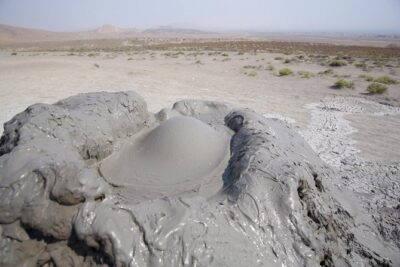
BEST Gobustan, Volcanoes & Absheron Fire Tour (Group or Private)
Read our review →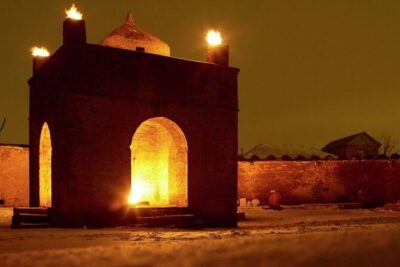
Gobustan, Volcanoes, Fire Temple and Yanardag Day Trip
Read our review →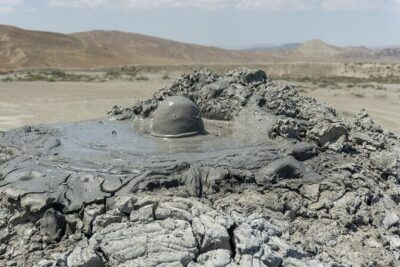
Gobustan & Mud, Fire Temple, Burning Mountain (Group & Private)
Read our review →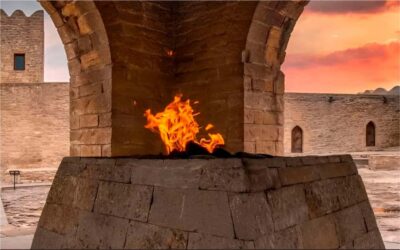
Mud Volcan-Fire Temple and Mountain Tour/Entrance inc
Read our review →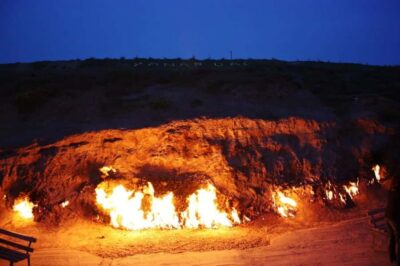
Gobustan Mud Volcanoes Temple & Entry tickets included
Read our review →Browse the lists this tour appears in