
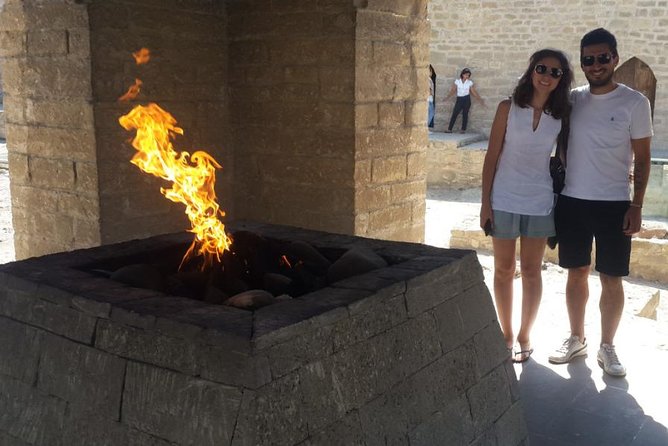
Reviewed · FIRE TEMPLE AND BURNING MOUNTAIN TOURS
Mystic Ateshgah and Yanar Dag Tour
Azerbaijan’s most unusual sights are not in central Baku. They are out on the Absheron Peninsula, where natural gas once fed sacred flames. This tour takes you to Ateshgah Fire Temple, a former Zoroastrian place of worship, and Yanar Dag, a hillside where gas still burns from the ground.
I like two things right away. First, you get both fire sites in one compact outing, without arranging a taxi and waiting for a driver at each stop. Second, the guide adds useful context during the drive, including details about places and events you pass outside the city. The main drawback is the pace: the tour is short, and some departures may feel closer to two or three hours than a full half-day.
Key points to know before booking
- Ateshgah takes the most time: Plan on about one hour to explore the temple and its displays.
- Yanar Dag is a quick but memorable stop: You may spend only about 20 minutes at the burning hillside.
- Central Baku transport is included: Meet near Sahil metro station, or arrange accommodation pickup in advance.
- The guide can make the difference: Guides such as Gunay and Aydan have been praised for clear explanations and attentive service.
- The group limit is 15 people: This keeps the outing smaller than a large coach tour, though the exact group size can vary.
- The $88 price buys convenience: It is worthwhile if you value a guide, entrance tickets, and round-trip transport, but less attractive if you only want a quick taxi ride.
Why these two fire sites matter
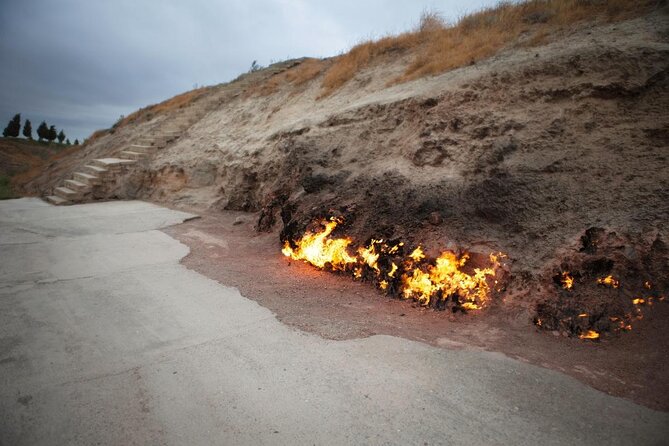
Ateshgah and Yanar Dag tell two different stories about fire in Azerbaijan. Ateshgah is a built religious site connected with Zoroastrian worship and the old belief that natural flames were sacred. Yanar Dag is a natural gas fire on a hill, where the flame itself is the attraction.
That pairing gives the tour a clear shape. At the temple, you learn about people, faith, trade, and ritual. At Yanar Dag, the focus shifts to geology and the strange sight of fire burning in the open air.
I find this more interesting than visiting two unrelated stops. The sites are linked by Azerbaijan’s long association with underground gas and sacred fire, yet they feel quite different when you are standing at each one.
The tour also helps if you have only a short stay in Baku. Both sites lie outside the city center, with Ateshgah about 30 kilometers, or roughly 18 miles, away in Surakhany. You can see them in one trip and still have most of the day available for Baku.
More fire-site trips from Baku:
- Baku: Gobustan, Volcanoes, Fire Temple and Yanardag Day Trip
★ 4.7 · 433 reviews - Gobustan & Mud, Fire Temple, Burning Mountain (Group & Private)
★ 4.5 · 418 reviews - Gobustan-Mud Volcan-Fire Temple and Mountain Tour/Entrance inc
★ 5.0 · 267 reviews
Leaving Baku at noon
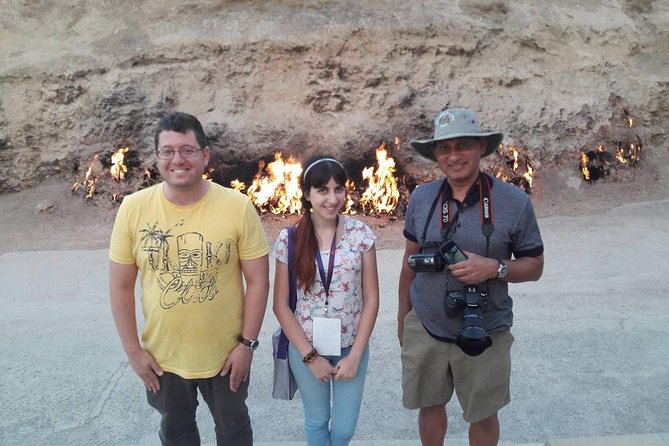
The standard meeting point is at the exit of Sahil metro station on Zarifa Aliyeva Street. The stated meeting time is noon. This is a practical place to start because Sahil is central and easy to reach by public transport.
Accommodation pickup may be available if you request it ahead of time. Do not assume it is automatic, since hotel pickup and drop-off are not included unless arranged beforehand. If you prefer to meet at Sahil, arrive early enough to find the correct exit and locate the guide without rushing.
The drive out of central Baku is part of the experience. Guides have provided commentary on sights along the way, and some drivers have also pointed out local events and points of interest. That extra narration matters because the transfer can otherwise feel like dead time.
The group limit is 15 people. That is small enough for a guide to answer questions and keep the day moving, though it is not a private tour. Transportation is included both ways, along with entrance tickets and taxes, so you do not need to sort out admission or negotiate with a taxi at the sites.
Ateshgah Fire Temple: the main visit
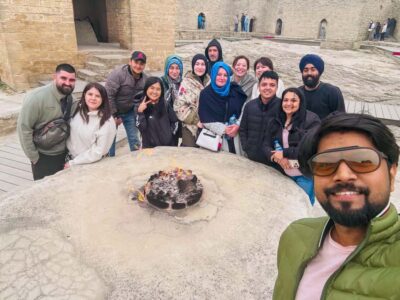
Ateshgah, also called the Fire Temple, is the more substantial stop. You should expect about an hour here, including the guide’s explanation and time to look around the complex.
The temple is in Surakhany, a suburb outside Baku. Its importance comes from the way religion and natural gas meet in one place. Gas outlets once produced flames in the area, and fire became central to worship and local tradition.
Inside, the complex is arranged to explain the beliefs connected with Zoroastrianism and fire worship. Your guide will describe how the temple came to exist in Baku and why natural flames had such force in the religious imagination of the region.
This is where the guide adds real value. A quick independent visit could leave you looking at courtyards, rooms, and displays without understanding how they fit together. A good English-speaking guide turns the stop into a story about faith, movement, and the old fire traditions of the Caucasus.
Several guides have been singled out for their clear English and careful explanations. Gunay has been praised for adding useful commentary during the drive, while Aydan has been noted for being attentive and for helping make the visit comfortable. The guide on your departure may be different, but the experience is designed around guided interpretation rather than simply dropping you at the gate.
Give yourself time to notice the details of the complex. The point is not only to see an old temple. It is to understand why this particular site was built where natural gas could feed flames, and how a physical feature of the ground became part of a religious tradition.
Ateshgah is also the stop where you will get the most cultural background. If you have little prior knowledge of Zoroastrianism, listen closely to the explanation of fire, worship, and the temple’s place in Azerbaijan’s past. If you already know the basics, you may find the site itself more rewarding than the short written displays.
Yanar Dag and the open-air flame
After Ateshgah, the tour heads to Yanar Dag, or Burning Mountain. The name sounds grand, but the site is more accurately a hill with natural gas burning along its slope.
This is a short visit, usually about 20 minutes. That may sound brief, but Yanar Dag is a focused attraction. You walk up to the viewing area, see the flame, take photographs, and listen to the guide explain why it burns.
The fire is the reason to come. According to the tour information, the flame was lit by a shepherd in the 1950s and has continued burning because of natural gas beneath the hill. The site is often described as one of the few fire mountains still existing today.
Yanar Dag is visually simple, but it is not ordinary. Fire burning directly from a hillside is the sort of sight that stays in your memory because it feels out of place. You do not need hours here to understand the attraction.
The short stop can also be a limitation. If you expect a large archaeological site or a long walk, Yanar Dag may feel small. The flame is the main event, and the visit is over fairly quickly. I would treat it as a striking final stop, not as a full afternoon attraction.
Wear shoes suitable for a moderate amount of walking. The tour information asks for a moderate level of physical fitness, and the overall outing includes moving through the temple complex and walking at the burning hillside.
Same base, a different sort of day:
- Baku: Gobustan, Mud Volcano, Fire Mount, Temple Lunch Entry
★ 4.9 · 3,246 reviews - Baku: Guba, Shahdag, Laza & Lunch w/ Free City & Night Tour
★ 4.8 · 1,455 reviews - BEST Gobustan, Volcanoes & Absheron Fire Tour (Group or Private)
★ 5.0 · 1,254 reviews - Gobustan and Absheron tour (All inclusive)
★ 5.0 · 1,014 reviews
What the three-hour schedule really means
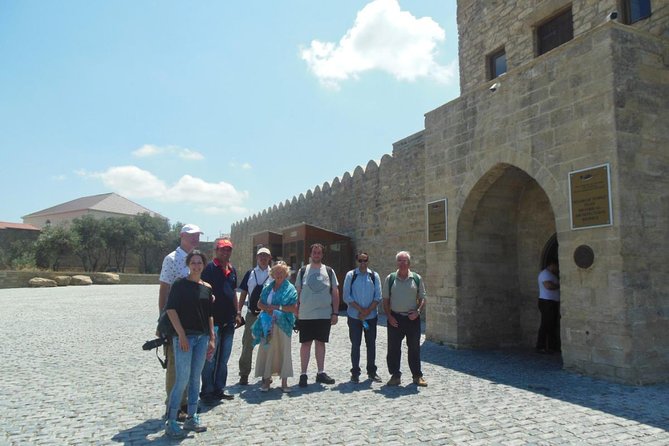
The advertised duration is about three hours, including transportation from Baku and the return to the city. The planned sightseeing time is roughly one hour at Ateshgah, 20 minutes at Yanar Dag, and a short end point near the original meeting place.
That leaves a meaningful portion of the tour for driving. This is normal for an outing to two sites outside Baku, but you should set your expectations correctly. It is a compact half-day excursion, not a relaxed full-day program.
Timing may feel shorter on some departures. Some past participants have found that the actual outing lasted less than the advertised period, while others considered the compact schedule a benefit. The safest approach is to allow around three hours in your plans, but do not expect a long, leisurely stop at either site.
I like the schedule if you want an efficient look at both places. You can visit the fire temple and burning hill without giving up an entire day. If you prefer slow photography, extended conversations, or time to explore every display, you may find the pace too brisk.
The tour returns to Sahil or another agreed city-center point. That makes it easy to continue sightseeing, find lunch, or head back to your accommodation afterward.
Is $88 a fair price?
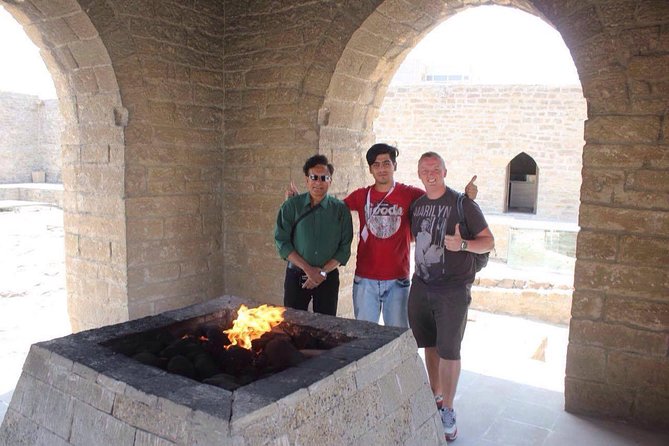
At $88 per person, the value depends on what you want to avoid arranging yourself. The price includes an English-speaking local guide, transportation to both sites and back, entrance tickets, taxes, and assistance during the outing.
That is a reasonable package if you value structure and explanation. A taxi can take you to both locations, but you would need to arrange the route, cover admission separately, and decide how long the driver should wait. You would also lose the historical and cultural commentary that gives Ateshgah much of its meaning.
On the other hand, the tour may feel expensive if you mainly want to see the flames and take photographs. Yanar Dag is a short stop, and the entire excursion is designed to be compact. A private taxi could give you more control over timing, though it would not provide the same guided interpretation unless you hired a separate guide.
The strongest value here is convenience. You get two out-of-town sights in one trip, with transport and admission handled for you. The weaker part is the limited amount of time at each site, especially Yanar Dag.
The guide matters more than the vehicle
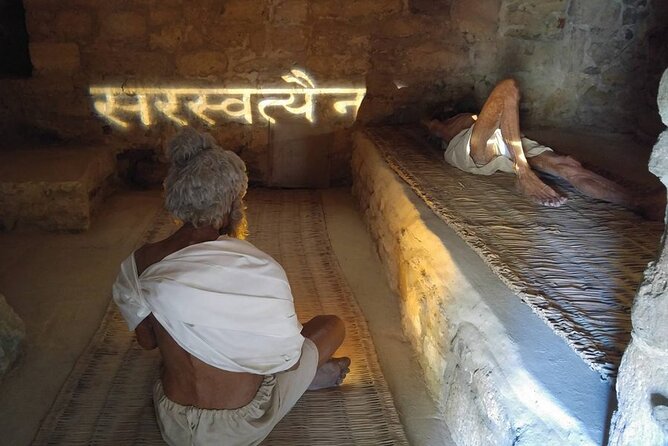
The sights are fixed, but the quality of the explanation can change the day. The best guides on this experience have been praised for clear English, enthusiasm, local knowledge, and attention to individual questions.
Gunay has been noted for explaining sights seen during the drive, not just the two official stops. Aydan has been praised for being especially attentive and for helping with practical details. Other feedback has highlighted guides who were well trained, kind, and easy to understand.
That is useful information when you book, but guide assignments can change. I would not choose the tour solely because of one guide’s name. Instead, think of those comments as a sign that the guide-led format is one of the main reasons to book.
A good guide helps connect the temple to Azerbaijan’s religious past and Yanar Dag to the region’s natural gas. Without that context, both stops are easy to reduce to quick photographs. With it, you get a better sense of why fire has shaped the identity of this area.
Who should book this outing?
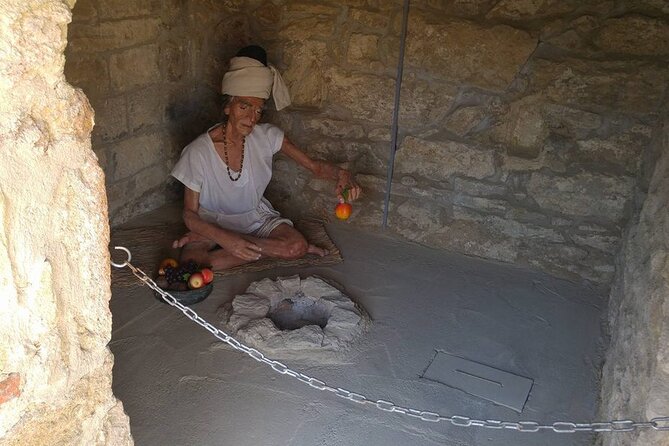
This tour suits you if you are staying in Baku and want an easy way to see important sites outside the center. It is especially useful for first-time visitors, people with limited time, and anyone who prefers not to manage taxis or admission tickets.
You will probably enjoy it if you like short historical visits, unusual natural sights, and guided storytelling. The pairing works well for curious visitors who want to understand the connection between Azerbaijan’s old fire traditions and its natural gas.
It is also a good match if you want a small-group experience rather than a large coach. The maximum group size is 15, and the central meeting point is close to public transportation.
You may want another option if you prefer private travel, long visits, or a flexible schedule. The itinerary has little room for lingering, and Yanar Dag is deliberately brief. If you already know the history of Ateshgah and only want transport, the guide fee may not feel worthwhile.
Practical details before you go
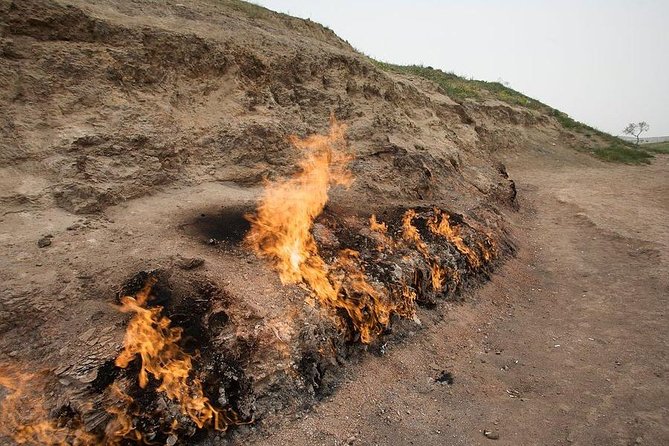
Confirm your meeting arrangement before the day of the tour. The usual start is at noon near the Sahil metro station exit, while accommodation pickup must be requested in advance.
Entrance tickets, transportation, taxes, and the English-speaking guide are included. Food and drinks are not included, so plan to eat before or after the outing.
The experience requires moderate physical fitness. You will be walking around the temple and visiting the burning hillside, so comfortable shoes are a sensible choice.
Mobile tickets are accepted, and booking confirmation is provided at the time of booking. Free cancellation is available if you cancel at least 24 hours before the start time. Changes or cancellations made later are not accepted for a refund, and the tour requires a minimum number of participants.
Should you book the Mystic Ateshgah and Yanar Dag Tour?
I would book this tour if you want the simplest way to reach both fire sites from Baku and you value clear cultural explanation. Ateshgah is the stronger historical visit, while Yanar Dag supplies the unusual visual moment. Together, they make a sensible three-hour excursion.
At $88, the tour is not the cheapest way to reach the suburbs. Its value lies in the English-speaking guide, included admissions, round-trip transport, and the chance to learn what you are seeing.
Book it if you want an efficient, informative outing. Skip it if you want a private vehicle, a slower pace, or only a quick look at the flames.
FAQ
Where does the tour start?
The standard meeting point is at the exit of Sahil metro station on Zarifa Aliyeva Street in central Baku. The stated departure time is noon.
Can I be picked up from my accommodation?
Accommodation pickup may be arranged if requested beforehand. Hotel pickup and drop-off are not included automatically.
How long does the tour last?
The tour is advertised as approximately three hours, including transportation from Baku, visits to both sites, and the return to the city center.
Are entrance tickets included?
Yes. Entrance tickets for Ateshgah Fire Temple and Yanar Dag are included, along with transportation, taxes, and an English-speaking local guide.
How large is the group?
The maximum group size is 15 people.
What happens if I need to cancel?
You can receive a full refund if you cancel at least 24 hours before the experience begins. Cancellations or changes made less than 24 hours before the start time are not accepted for a refund.
Just added in Baku
- From Baku: Guba-Khinalig Day Trip★ 5.0 · 12 reviews
- From Baku: Gobustan 4×4 Private Tour – Private★ 5.0 · 3 reviews
- From Baku: Gobustan Rock Art and Mud Volcanoes Tour★ 5.0 · 6 reviews
- From Baku: Gobustan Day Tour★ 5.0 · 7 reviews
- From Baku: Gobustan Guided Day Trip with Transfers★ 3.9 · 11 reviews
- From Baku: Shamakhi and Gabala scenic tour★ 5.0 · 4 reviews
- From Baku: Gabala Day Trip★ 4.0 · 11 reviews
- From Baku: Gabala Cable Car, Nohur Lake & Juma Mosque Trip★ 4.5 · 6 reviews
Fire Temple and Burning Mountain Tours, compared.
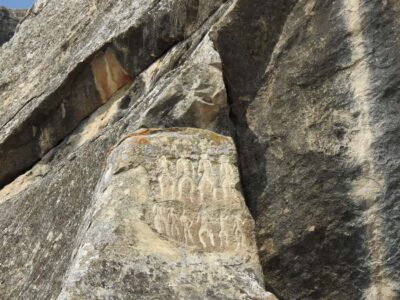
Gobustan, Volcanoes, Fire Temple and Yanardag Day Trip
Read our review →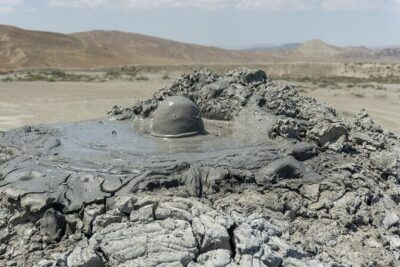
Gobustan & Mud, Fire Temple, Burning Mountain (Group & Private)
Read our review →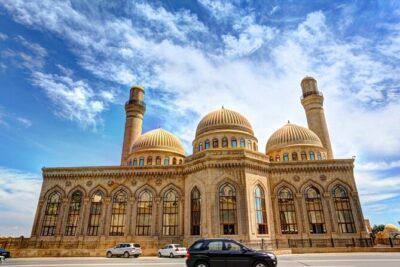
Mud Volcan-Fire Temple and Mountain Tour/Entrance inc
Read our review →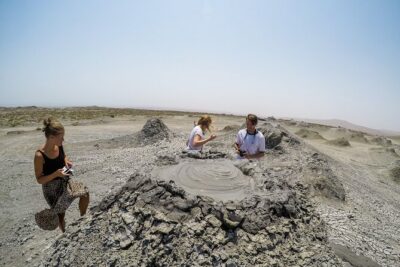
Gobustan, Mud volcanoes, Fire temple, Fire mountain PRIVATE TOUR
Read our review →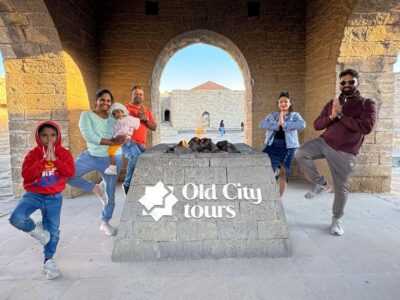
Gobustan & Mud, Fire Temple, Burning Mountain, H.A. Center
Read our review →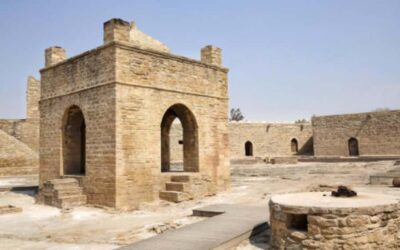
Gobustan, Mud Volcanoes, Fire Temple, & Yanar Dag Tour
Read our review →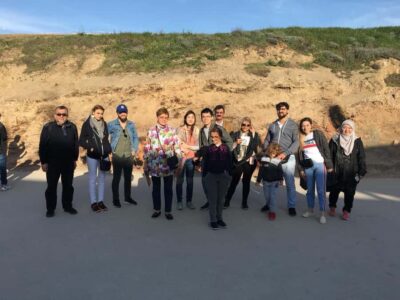
Atashgah Fire Temple & Burning Mountain Half-Day Tour
Read our review →Browse the lists this tour appears in